analysis
Location & space check: how to choose a space
Light, power, access, texture, scale, sound
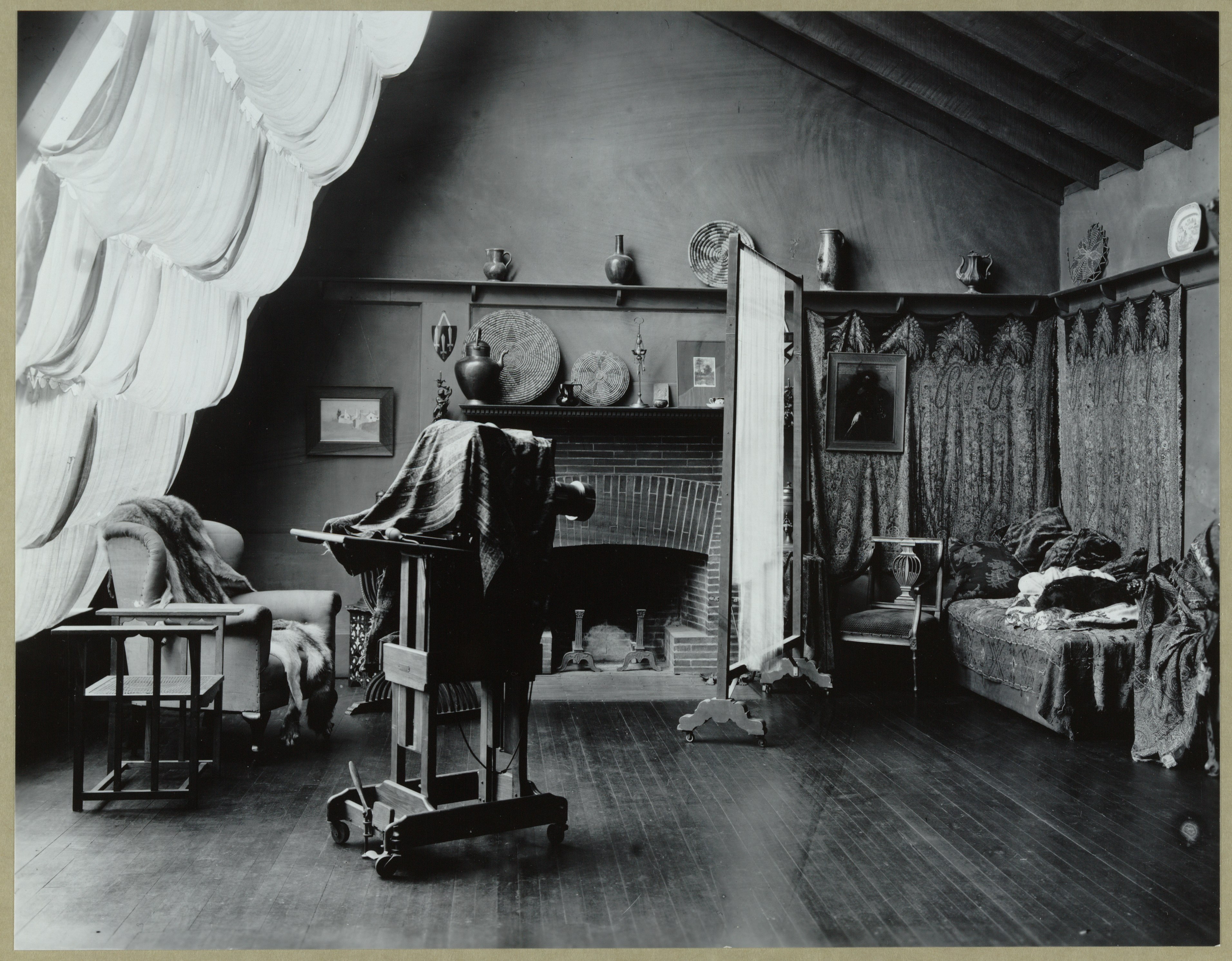
Editorial question
Which observable signs let us test the thesis of “Location & space check: how to choose a space”: light, power, access, texture, scale, sound?
Short answer
Light, power, access, texture, scale, sound
Thesis
A strong visual project begins not with a beautiful frame but with decisions placed in the right order. Location & space check: how to choose a space exists so the team understands not only what to do, but why each action belongs to the larger system.
Evidence and cases
Context
Within “Location & space check: how to choose a space”, “Context” narrows the analysis to its subject: Light, power, access, texture, scale, sound
Смотреть направление света по времени
Within “Location & space check: how to choose a space”, “Смотреть направление света по времени” narrows the analysis to its subject: Light, power, access, texture, scale, sound
Проверить питание и точки подключения
Within “Location & space check: how to choose a space”, “Проверить питание и точки подключения” narrows the analysis to its subject: Light, power, access, texture, scale, sound
Измерить проходы, высоту и дистанции камеры
Within “Location & space check: how to choose a space”, “Измерить проходы, высоту и дистанции камеры” narrows the analysis to its subject: Light, power, access, texture, scale, sound
How it works
Within “Location & space check: how to choose a space”, “How it works” narrows the analysis to its subject: Light, power, access, texture, scale, sound
Practice 01
Take a current project and write down five mandatory decisions. For this topic: смотреть направление света по времени; проверить питание и точки подключения; измерить проходы, высоту и дистанции камеры; оценить фактуру, отражения и цвет стен; проверить доступ, звук, парковку и ограничения. Next to each one, add one verifiable artifact: a file, test frame, table, approval or export.
Practice 02
Within “Location & space check: how to choose a space”, “Practice 02” narrows the analysis to its subject: Light, power, access, texture, scale, sound
Relation to fashion
Within “Location & space check: how to choose a space”, “Relation to fashion” narrows the analysis to its subject: Light, power, access, texture, scale, sound
Relation to architecture and space
Within “Location & space check: how to choose a space”, “Relation to architecture and space” narrows the analysis to its subject: Light, power, access, texture, scale, sound
Relation to image and photography
Within “Location & space check: how to choose a space”, “Relation to image and photography” narrows the analysis to its subject: Light, power, access, texture, scale, sound
Relation to object and material
Within “Location & space check: how to choose a space”, “Relation to object and material” narrows the analysis to its subject: Light, power, access, texture, scale, sound
Relation to technology
Within “Location & space check: how to choose a space”, “Relation to technology” narrows the analysis to its subject: Light, power, access, texture, scale, sound
Critical view
The process most often breaks like this: choosing by one pretty angle, ignoring sun path and reflections, discovering power/access problems on shoot day. The problem is not that the team is not trying hard enough, but that the decision cannot be checked in time.
Local and contemporary context
Within “Location & space check: how to choose a space”, “Local and contemporary context” narrows the analysis to its subject: Light, power, access, texture, scale, sound
Key terms
Within “Location & space check: how to choose a space”, “Key terms” narrows the analysis to its subject: Light, power, access, texture, scale, sound
Timeline links
Within “Location & space check: how to choose a space”, “Timeline links” narrows the analysis to its subject: Light, power, access, texture, scale, sound
Visual analysis
The article's visual logic can be tested through «Context», «Смотреть направление света по времени», «Проверить питание и точки подключения», «Измерить проходы, высоту и дистанции камеры», «How it works», «Practice 01». Compare these signs within one object or sequence rather than judging them as an isolated style.
Practical implication
For “Location & space check: how to choose a space”, the practical criterion follows from the article's subject: Light, power, access, texture, scale, sound
Limitations
“Location & space check: how to choose a space” is limited to its stated subject: light, power, access, texture, scale, sound. The analysis does not replace examination of a specific original, project, or production context.
Sources
The open sources for “Location & space check: how to choose a space” are listed in the page panel and define the boundary of its verifiable facts.
Related materials
Within “Location & space check: how to choose a space”, “Related materials” narrows the analysis to its subject: Light, power, access, texture, scale, sound