Argument
Analysis
Signed or attributed essays where fact, interpretation and opinion are visibly distinct.
Entries in this section
8401 02
02 03
03 04
04 05
05 06
06 07
07 08
08 09
09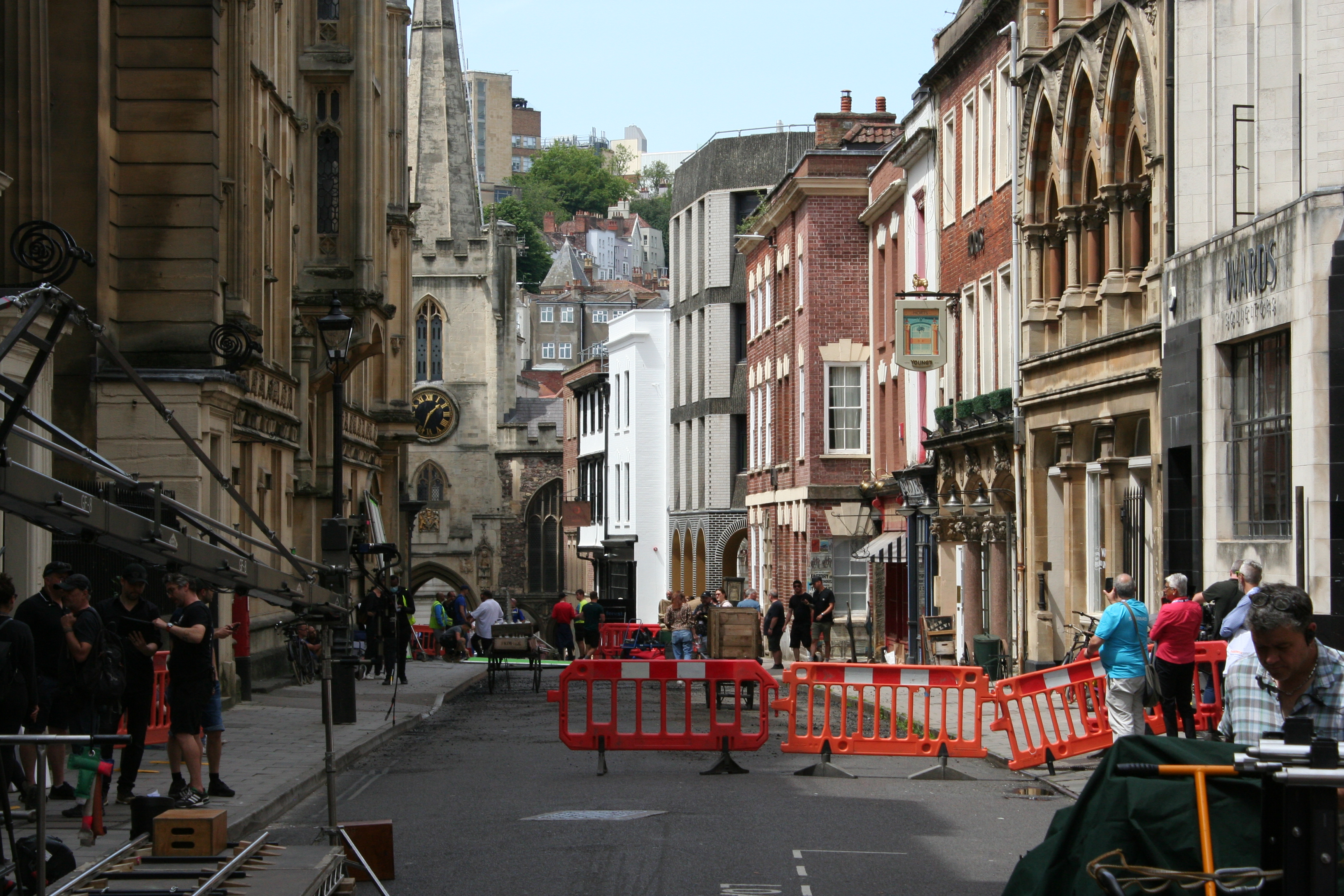 10
10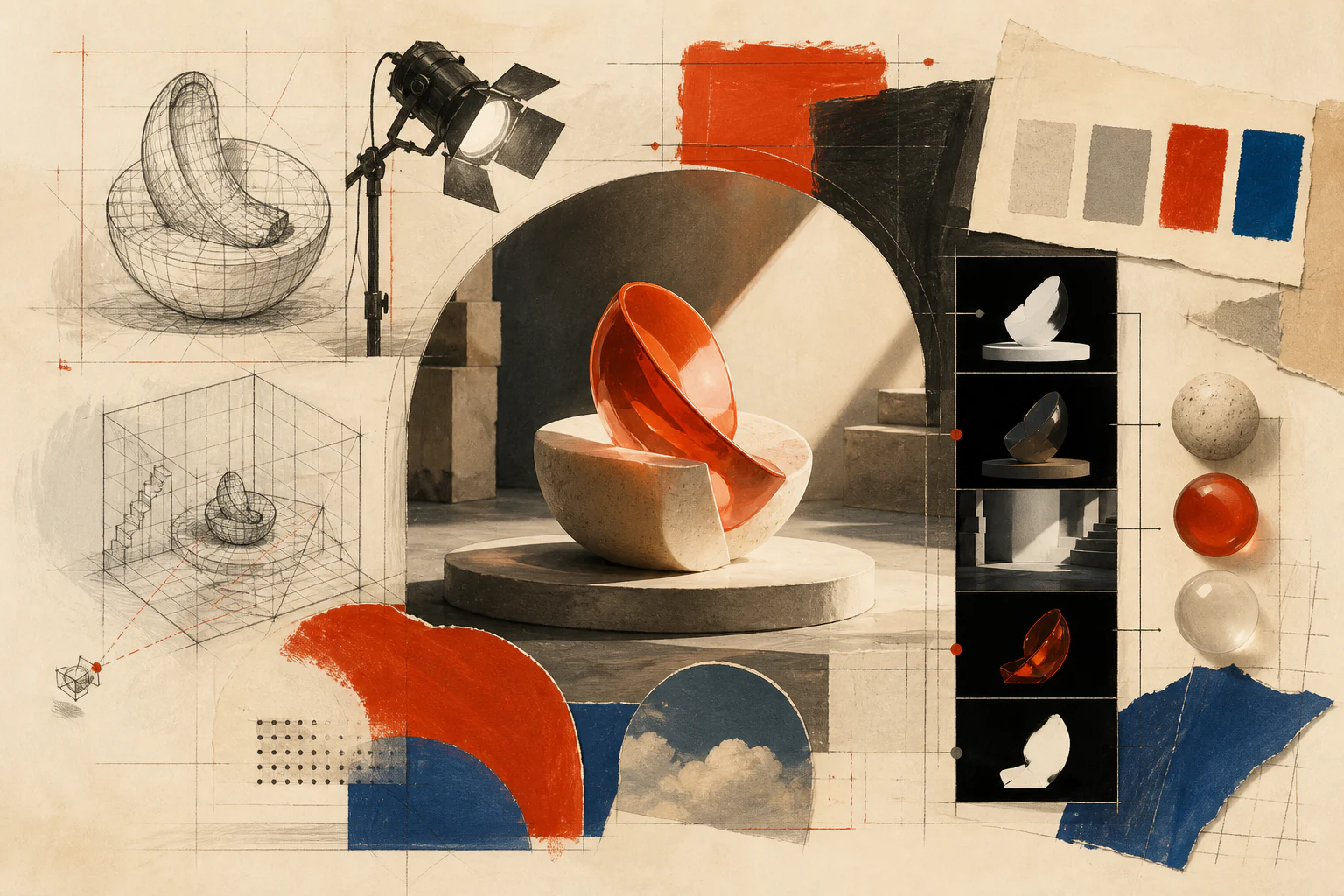 11
11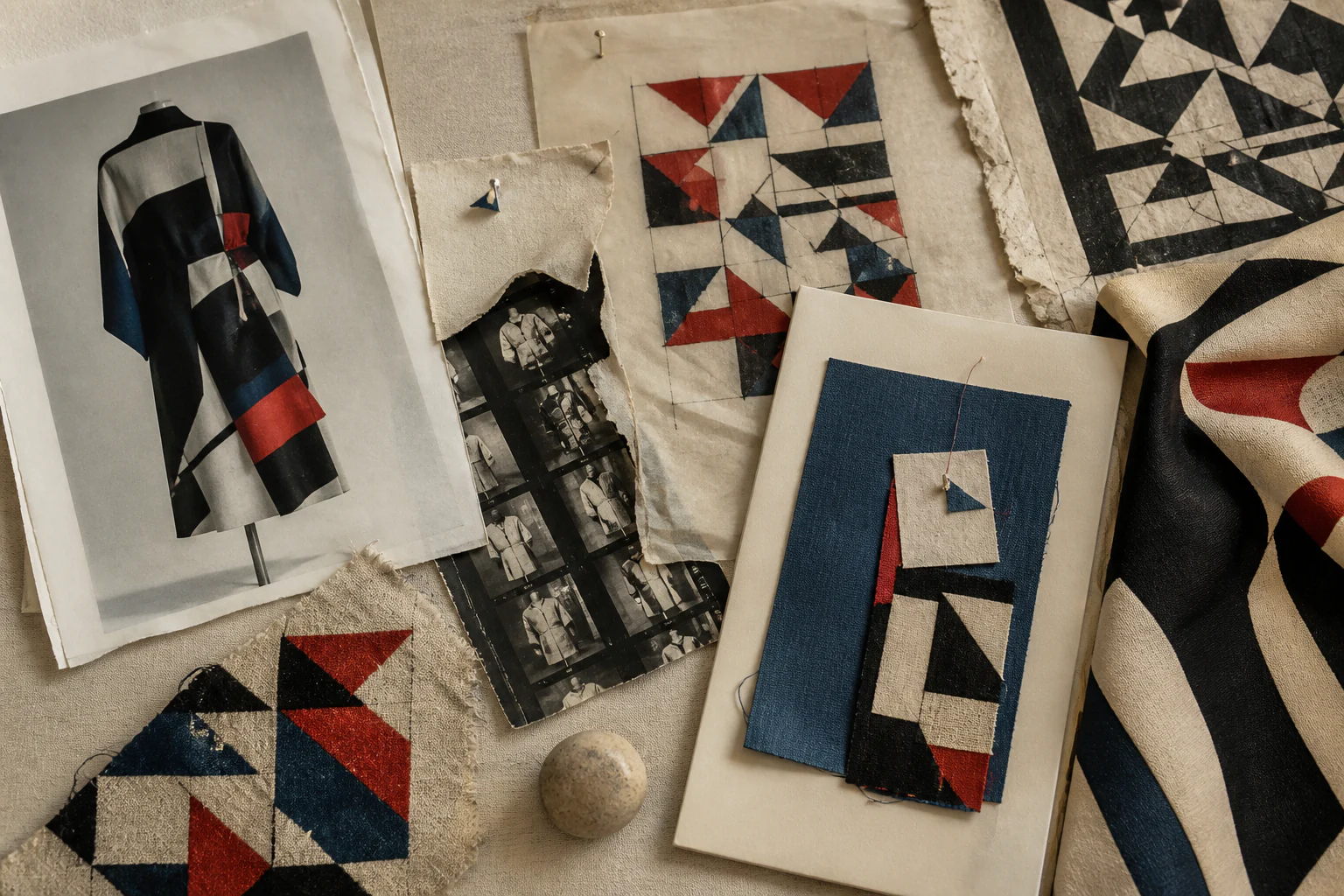 12
12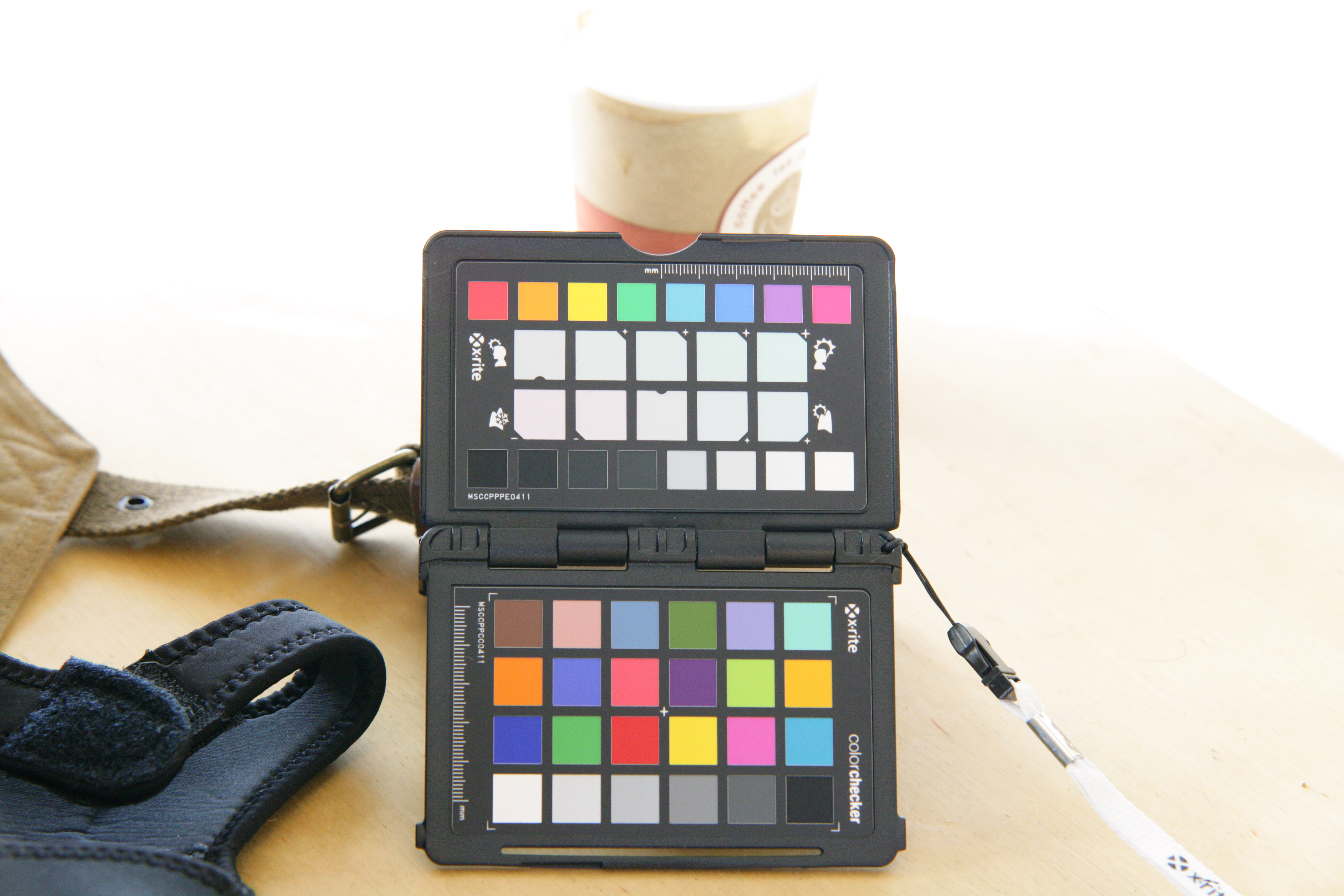 13
13 14
14 15
15 16
16 17
17 18
18 19
19 20
20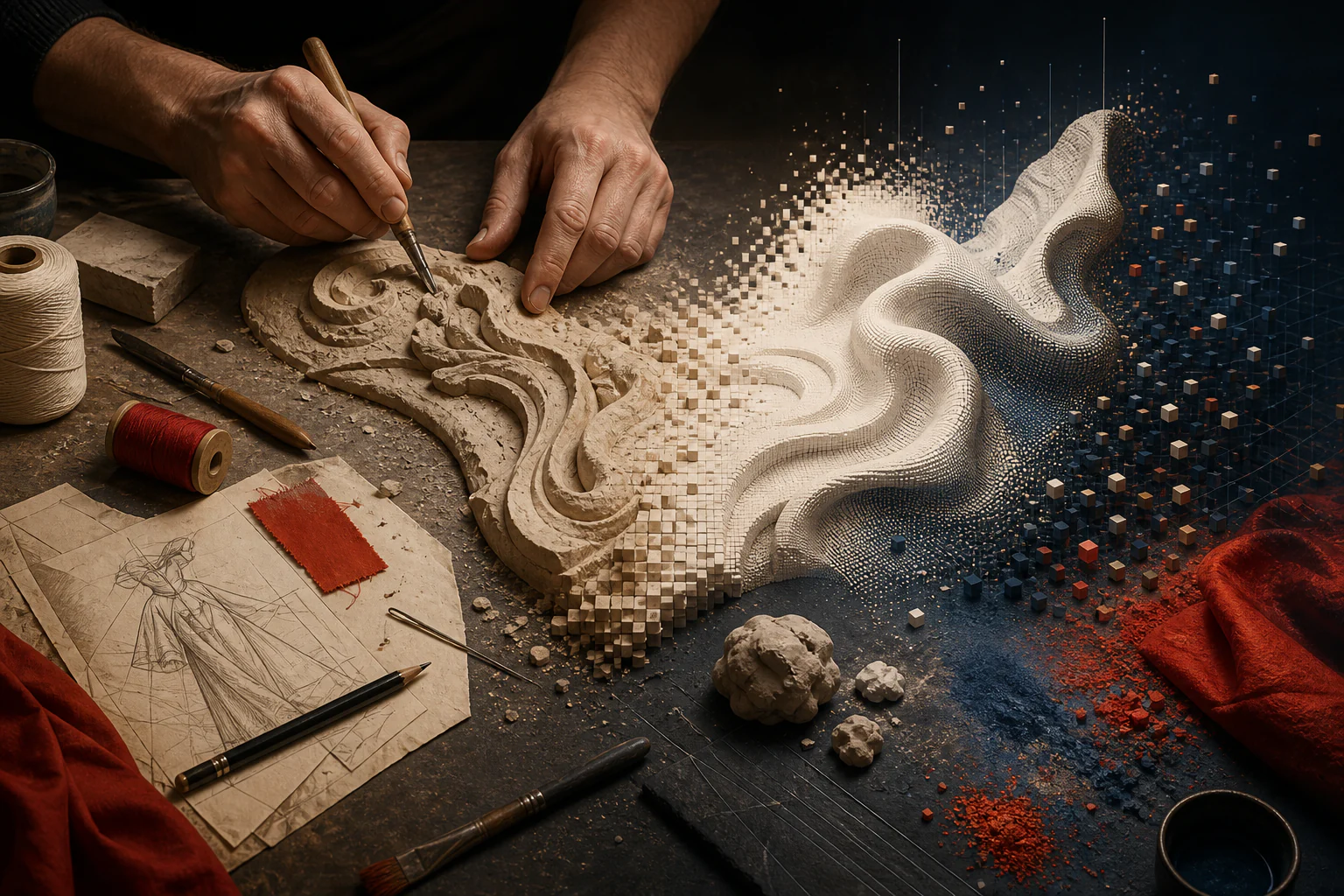 21
21 22
22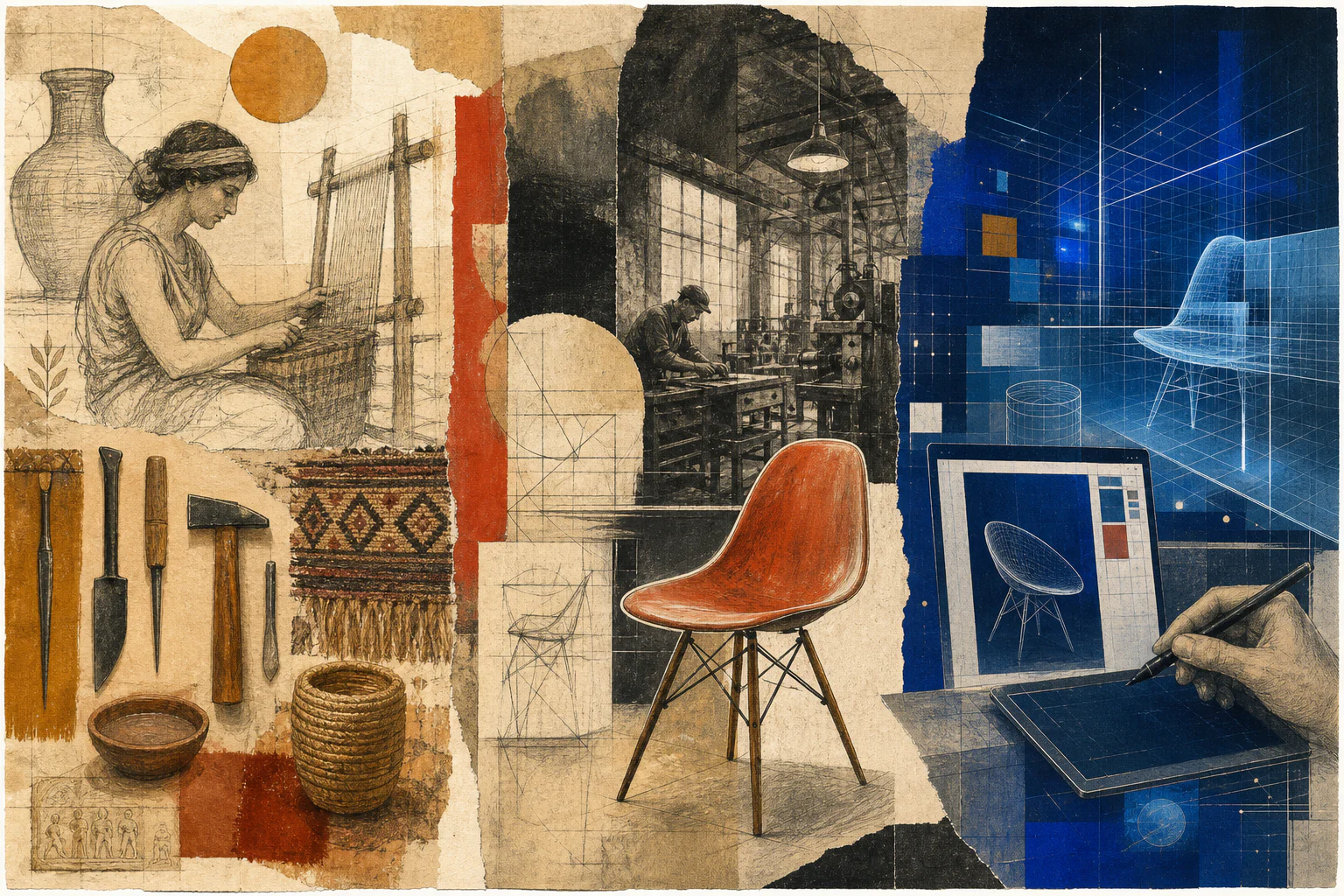 23
23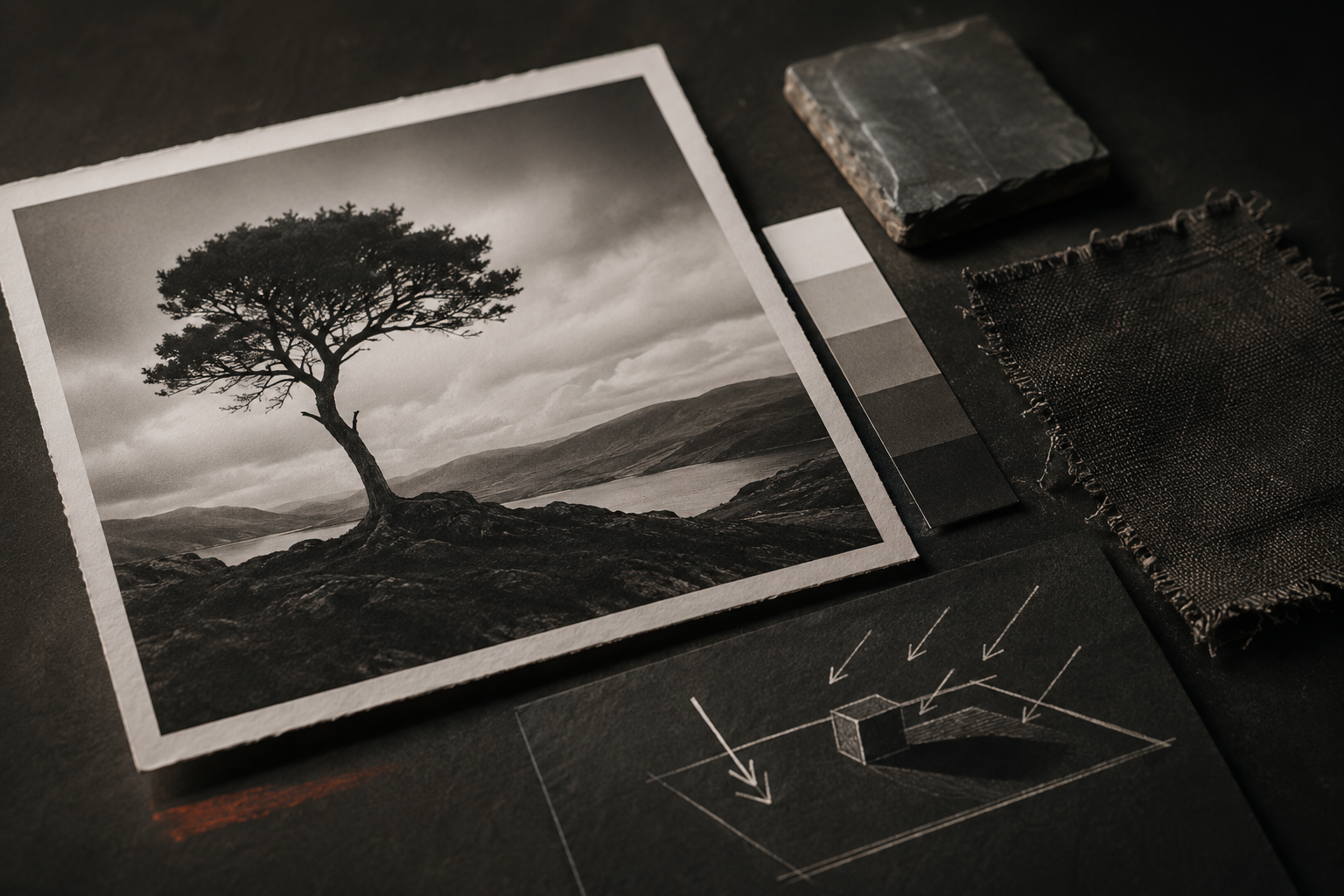 24
24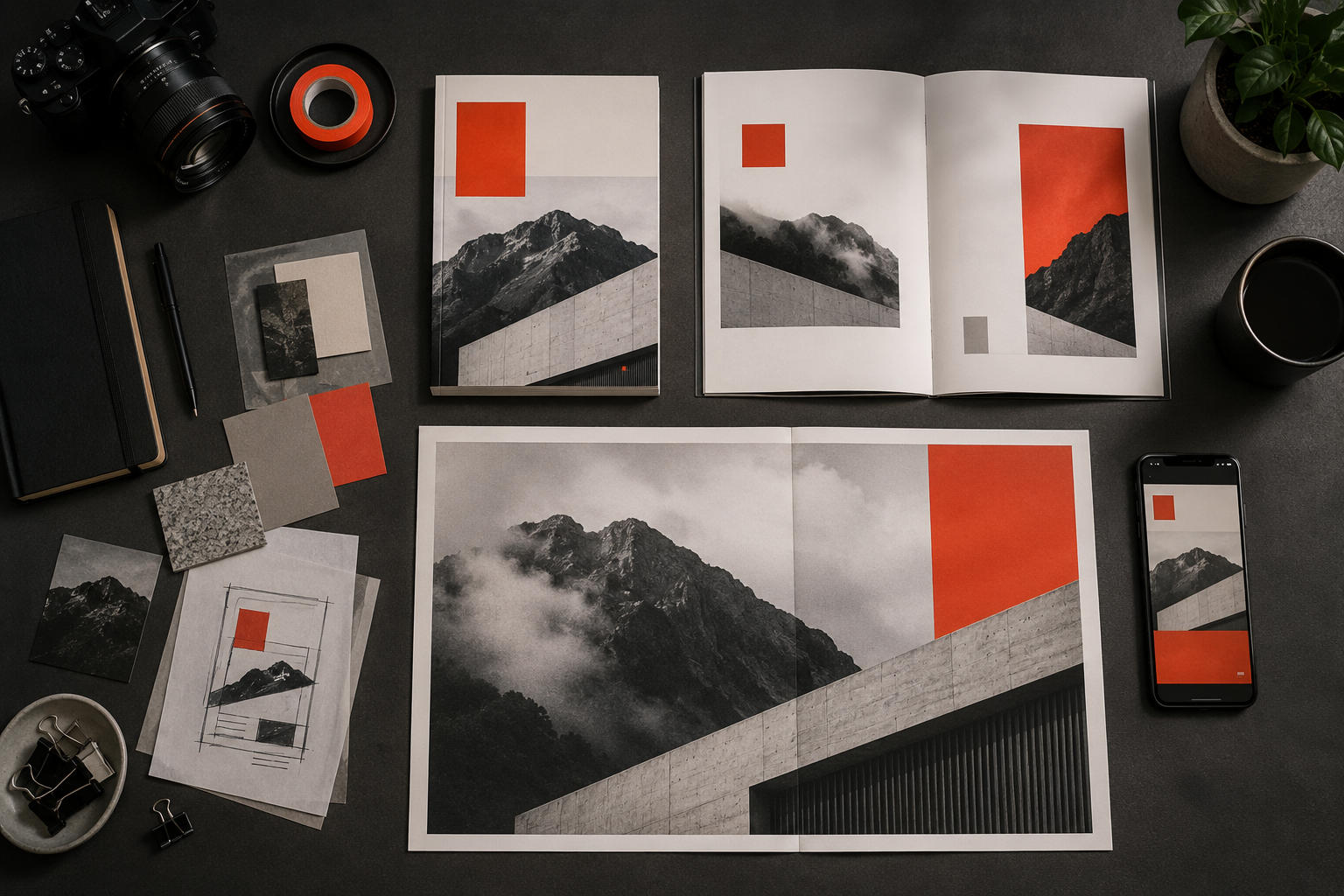 25
25 26
26 27
27 28
28 29
29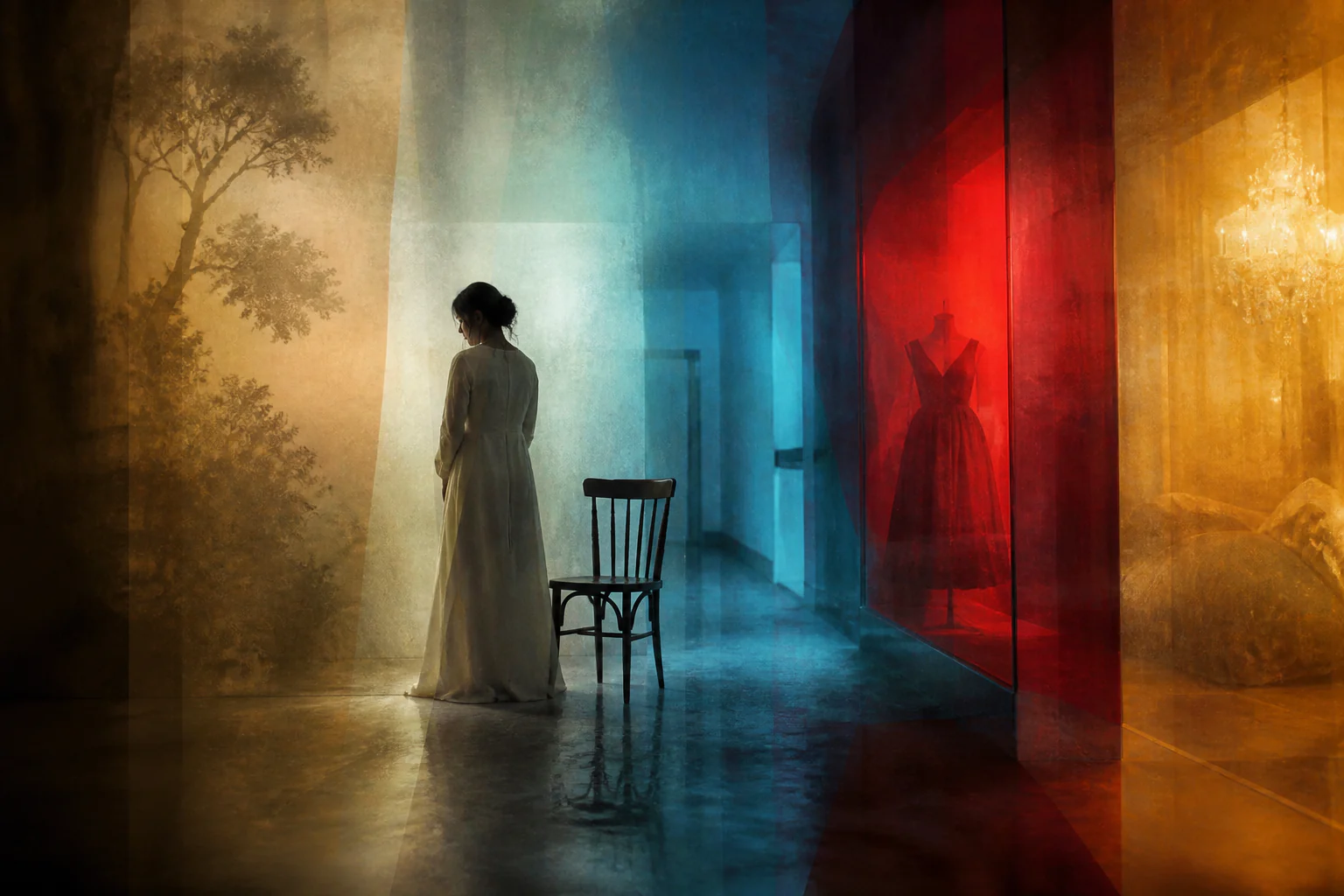 30
30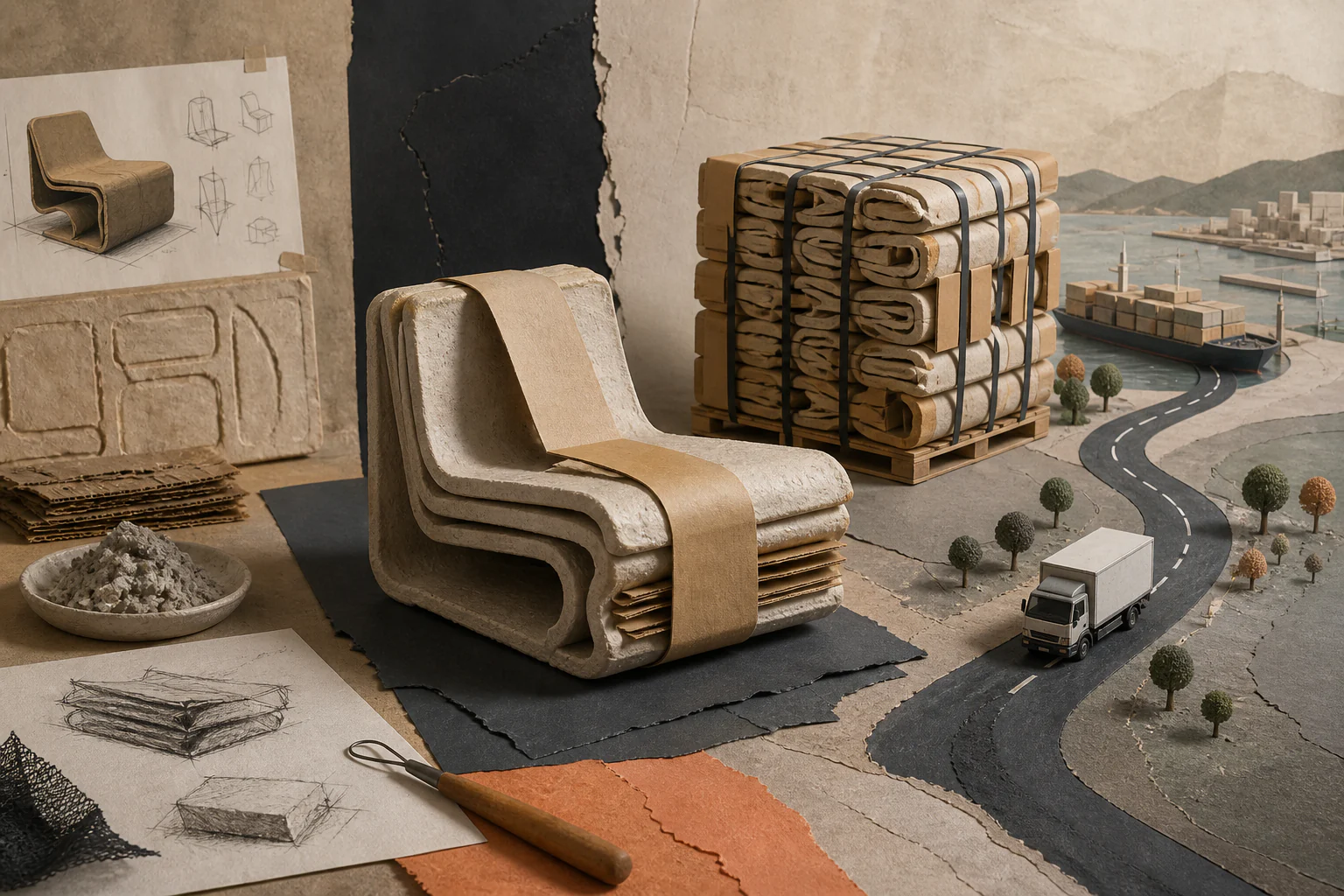 31
31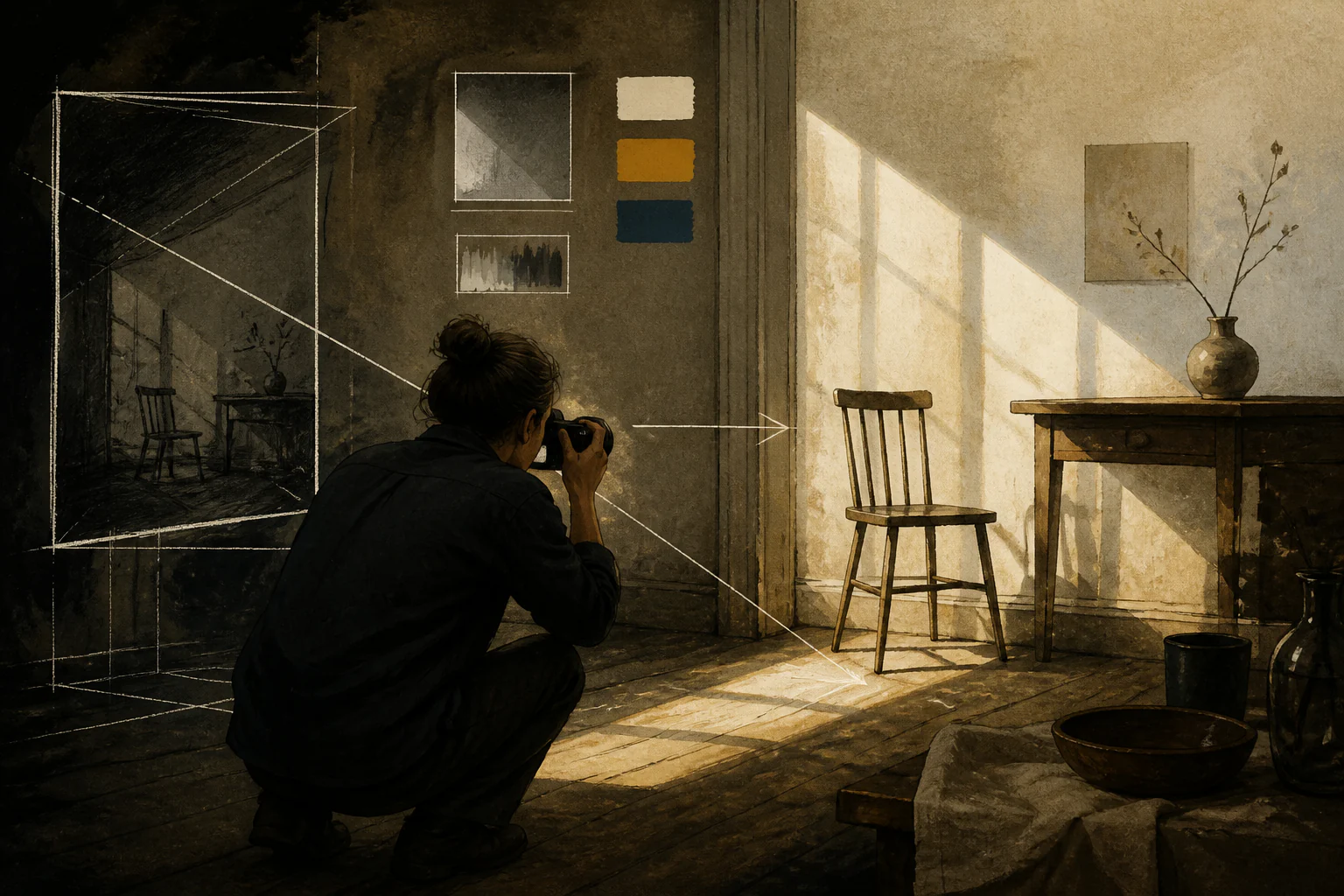 32
32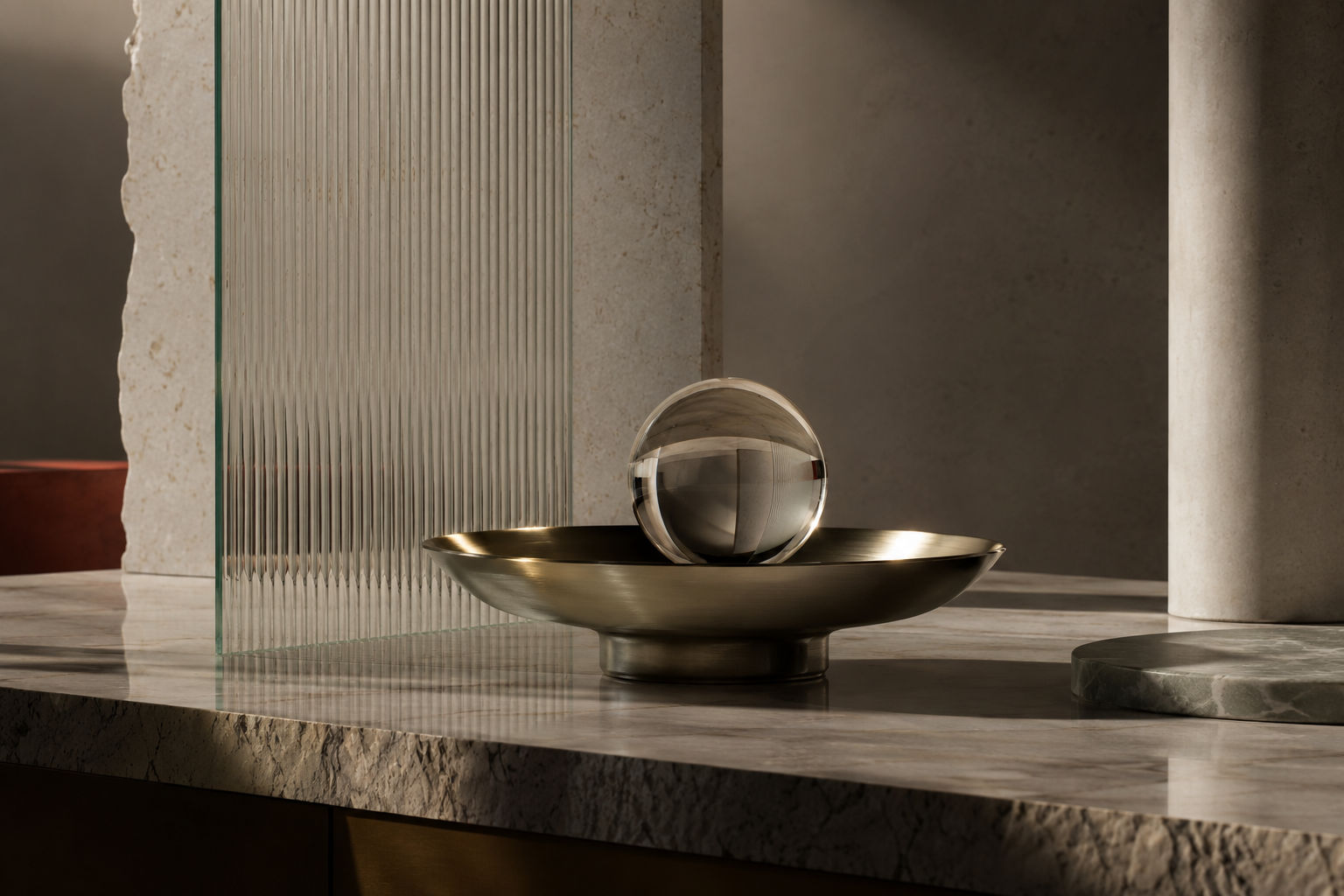 33
33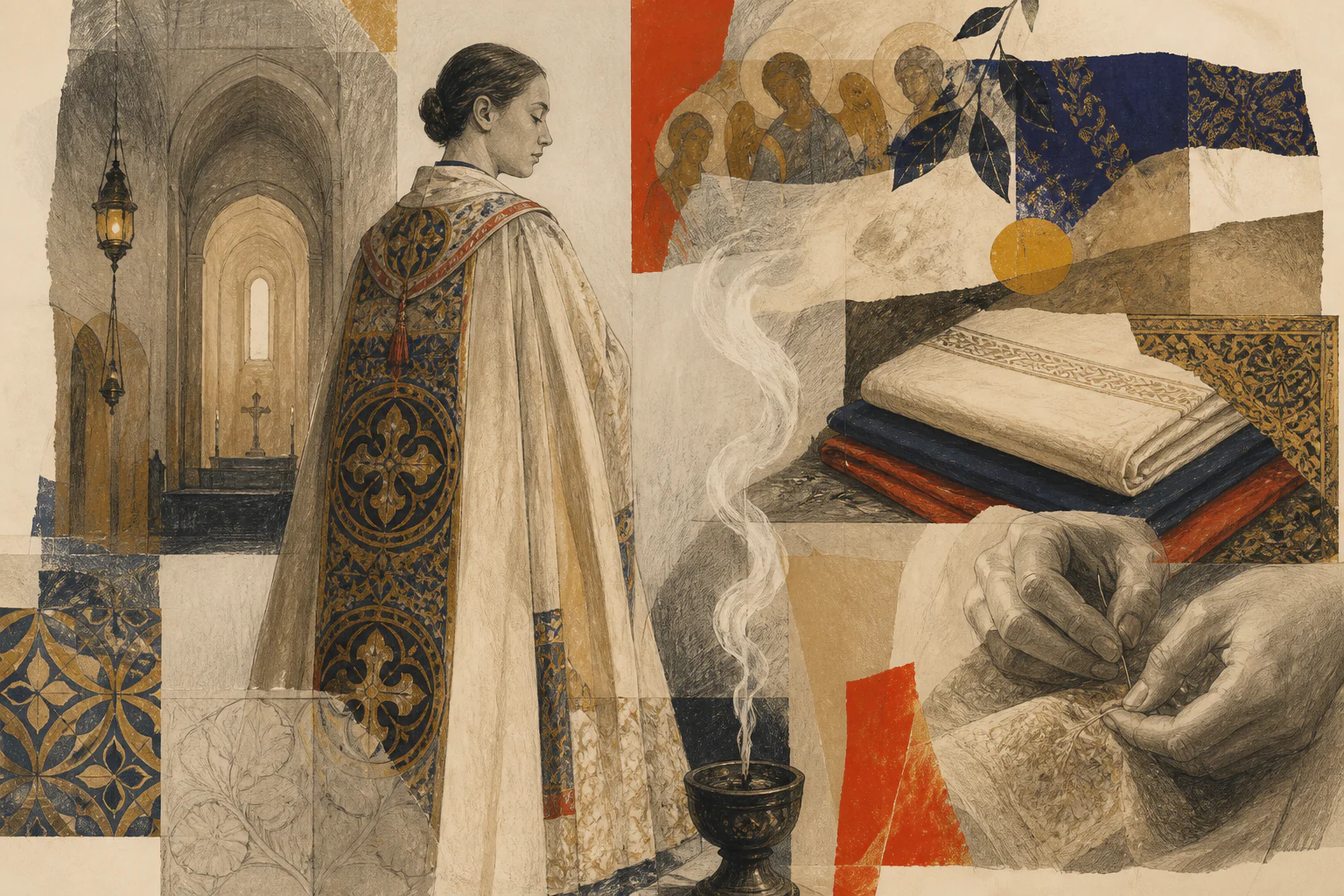 34
34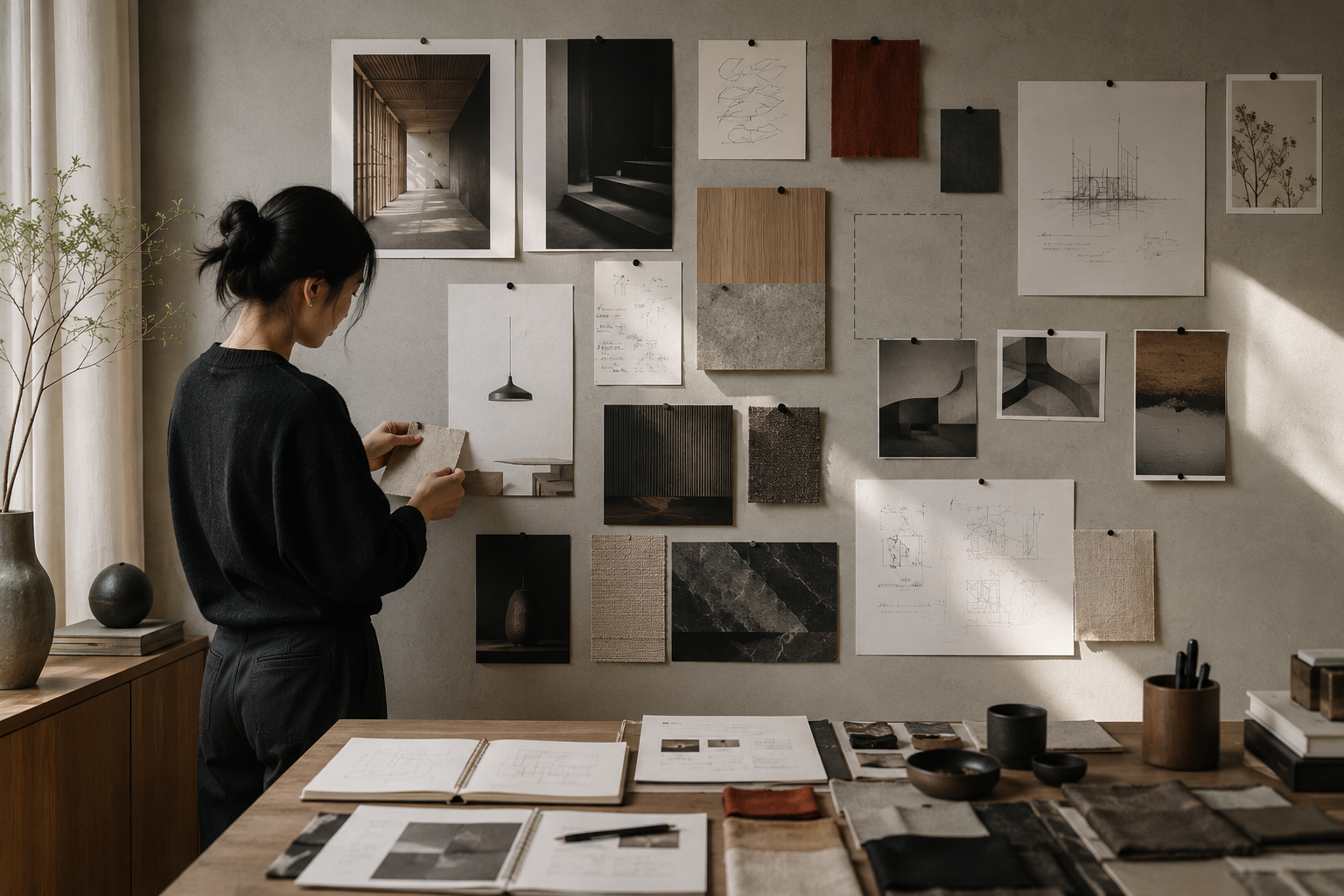 35
35 36
36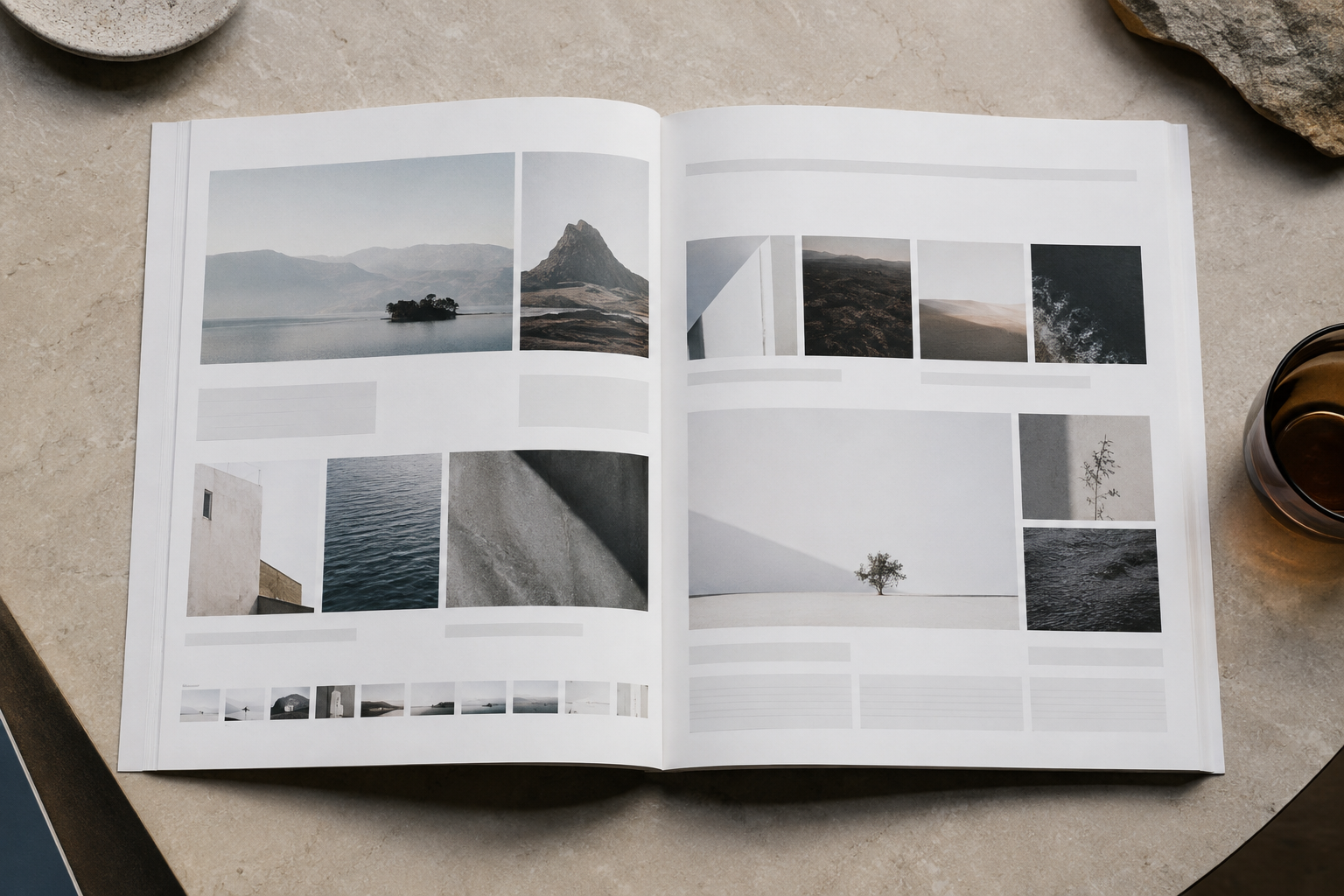 37
37 38
38 39
39 40
40 41
41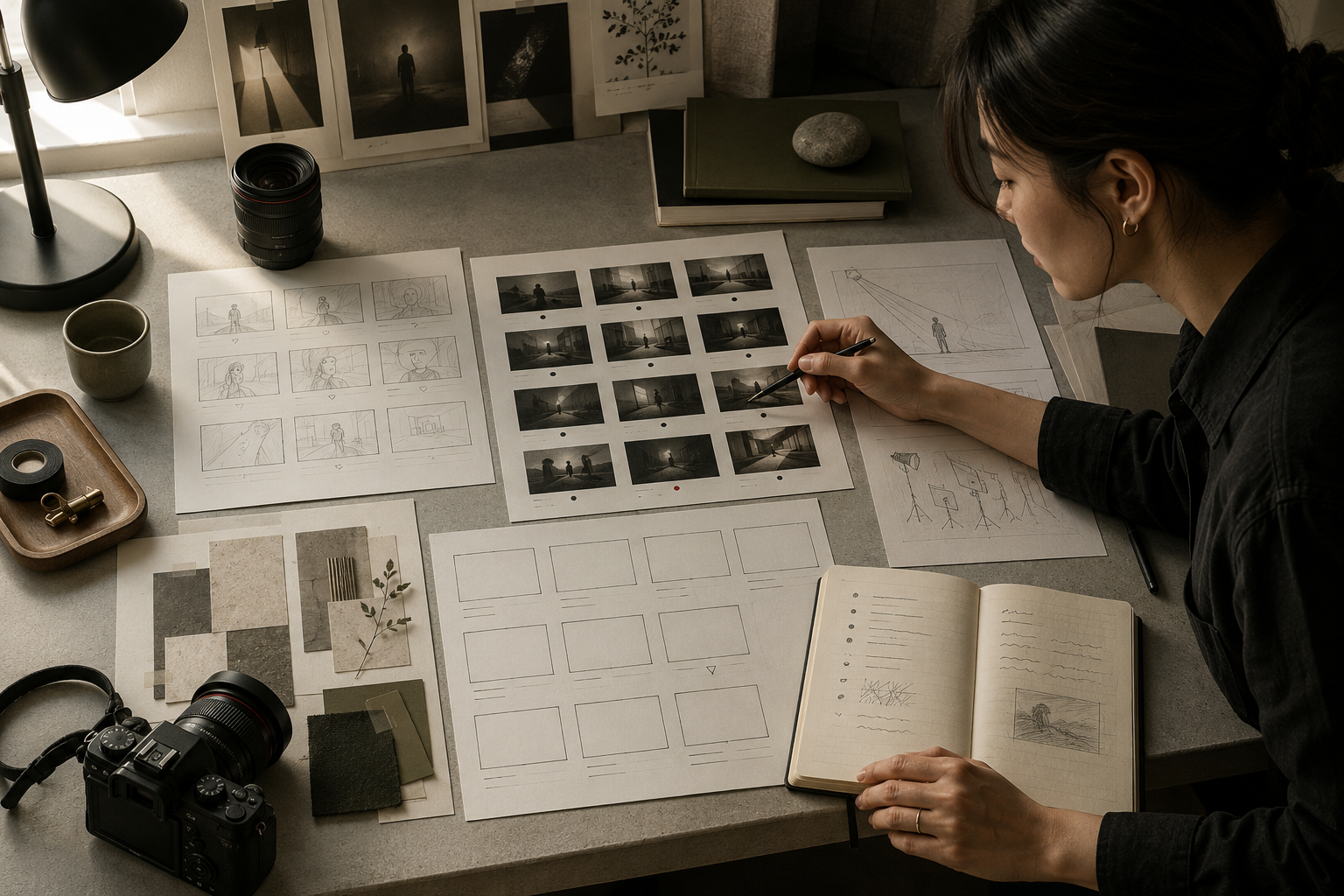 42
42 43
43 44
44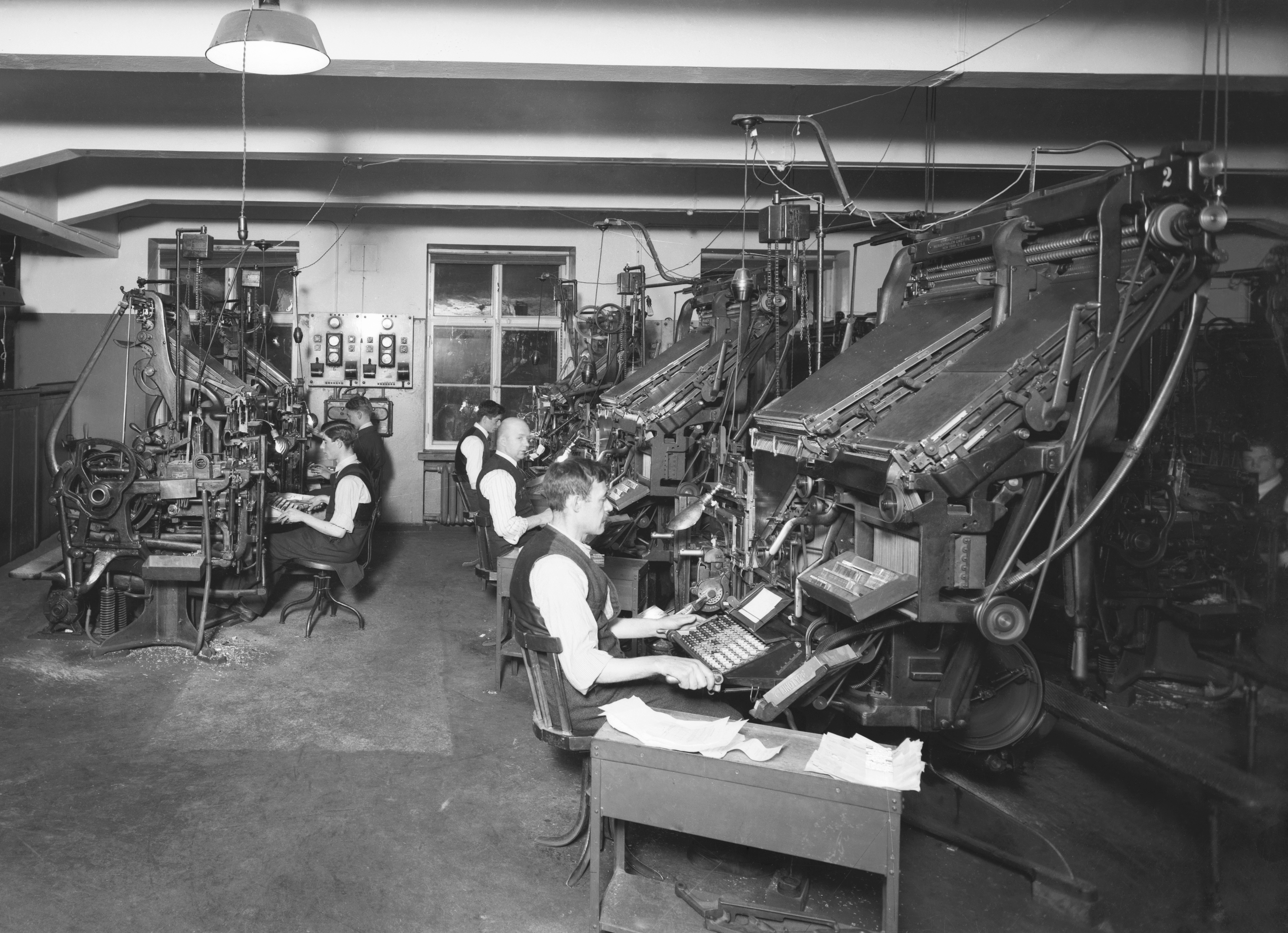 45
45 46
46 47
47 48
48 49
49 50
50 51
51 52
52 53
53 54
54 55
55 56
56 57
57 58
58 59
59 60
60 61
61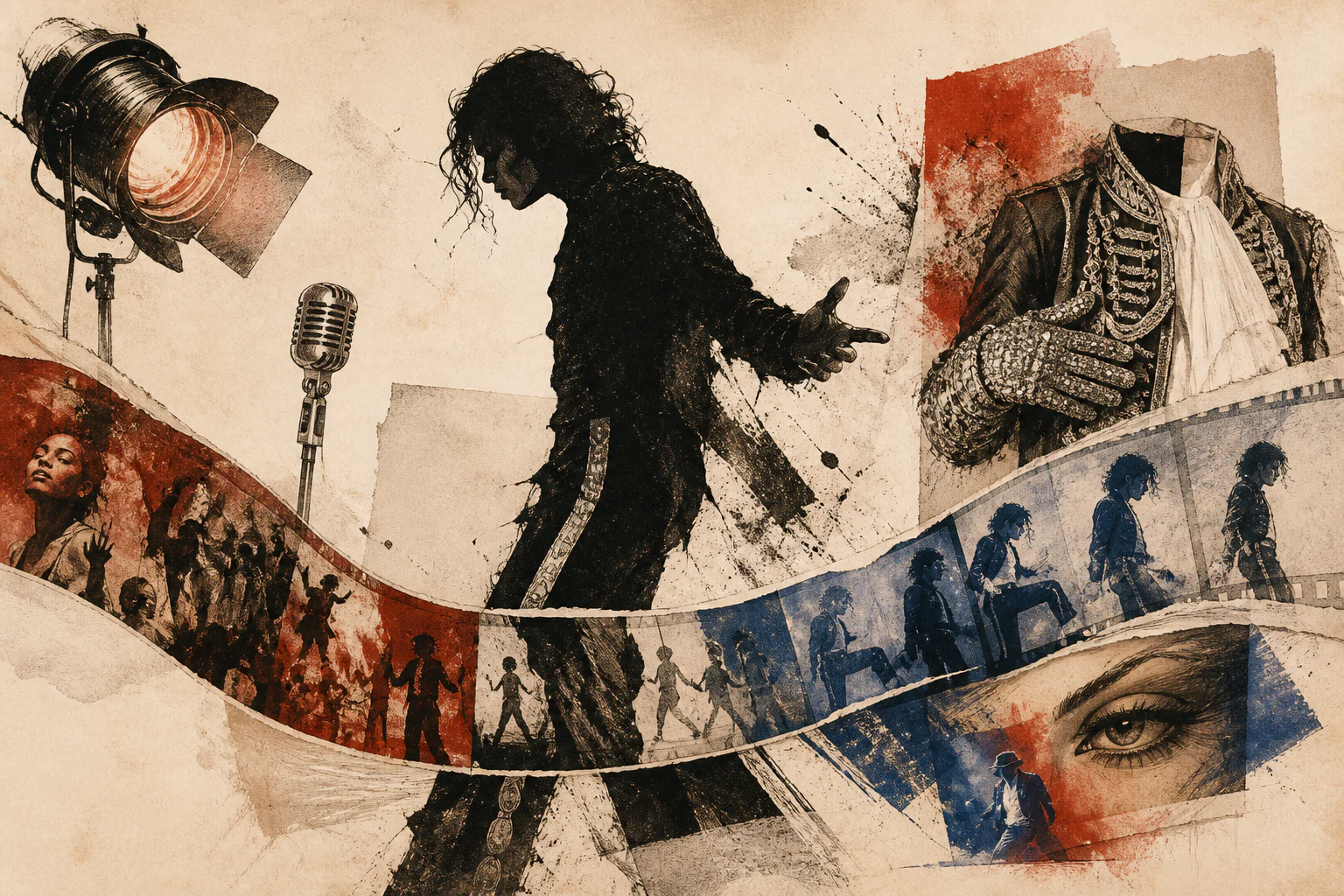 62
62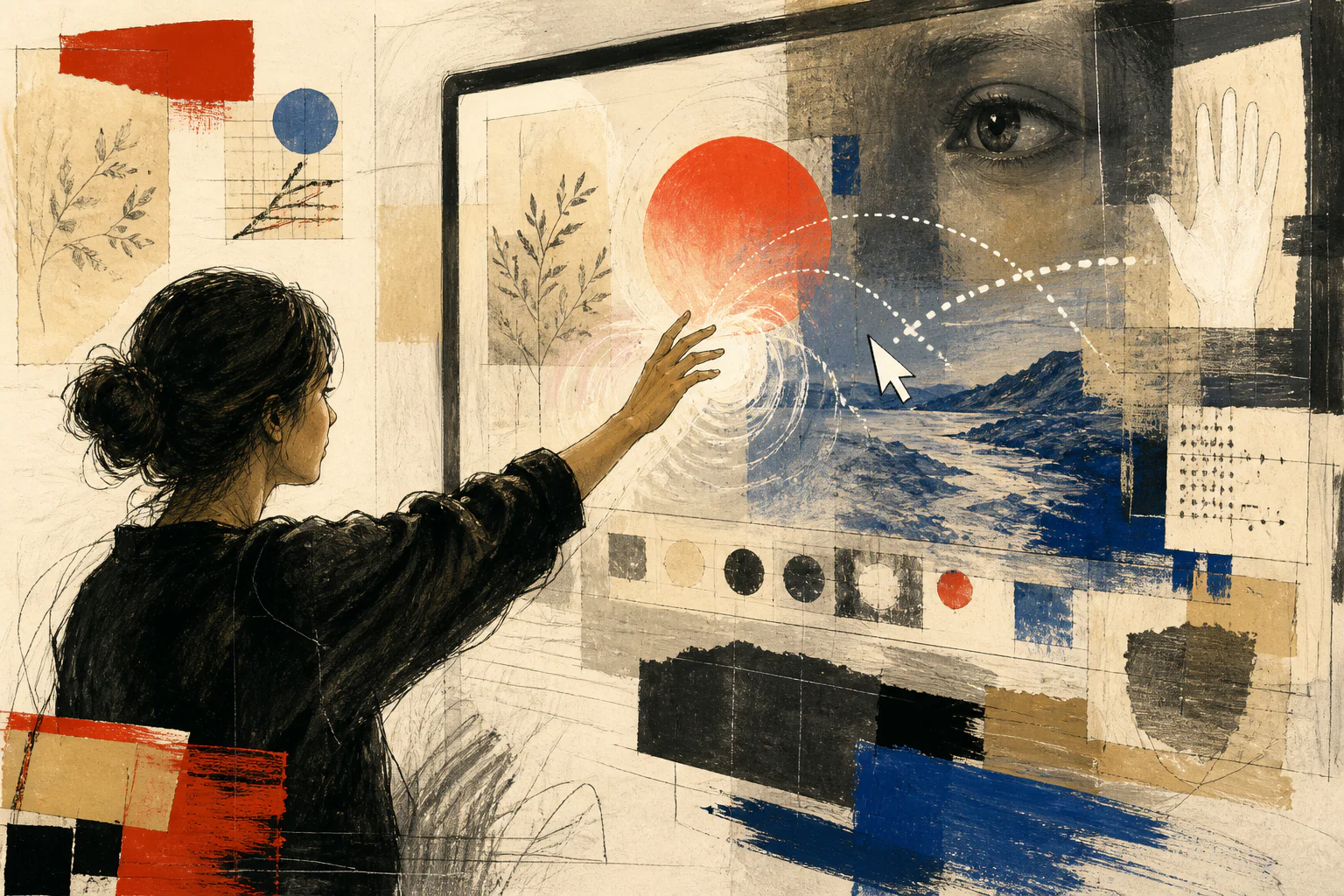 63
63 64
64 65
65 66
66 67
67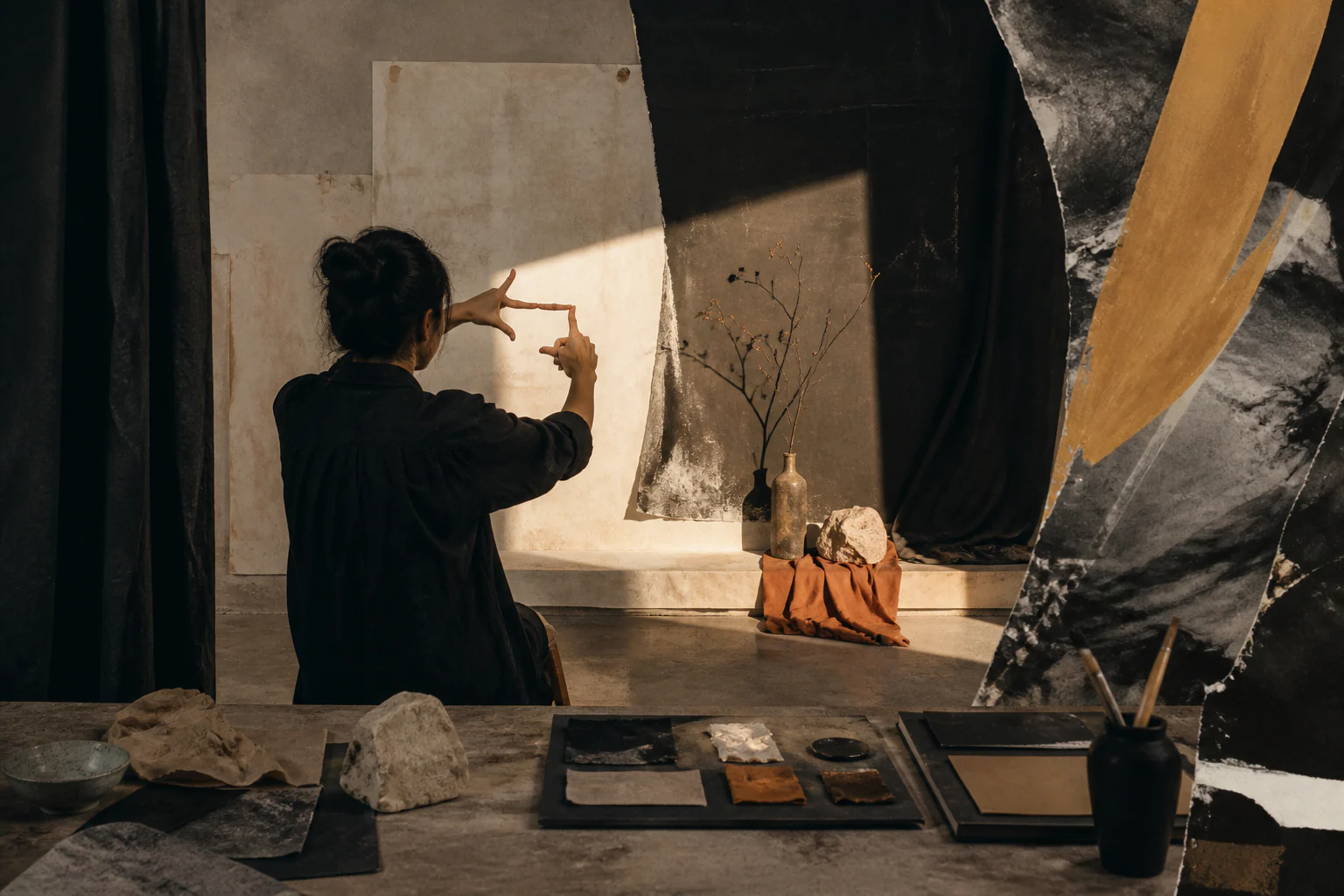 68
68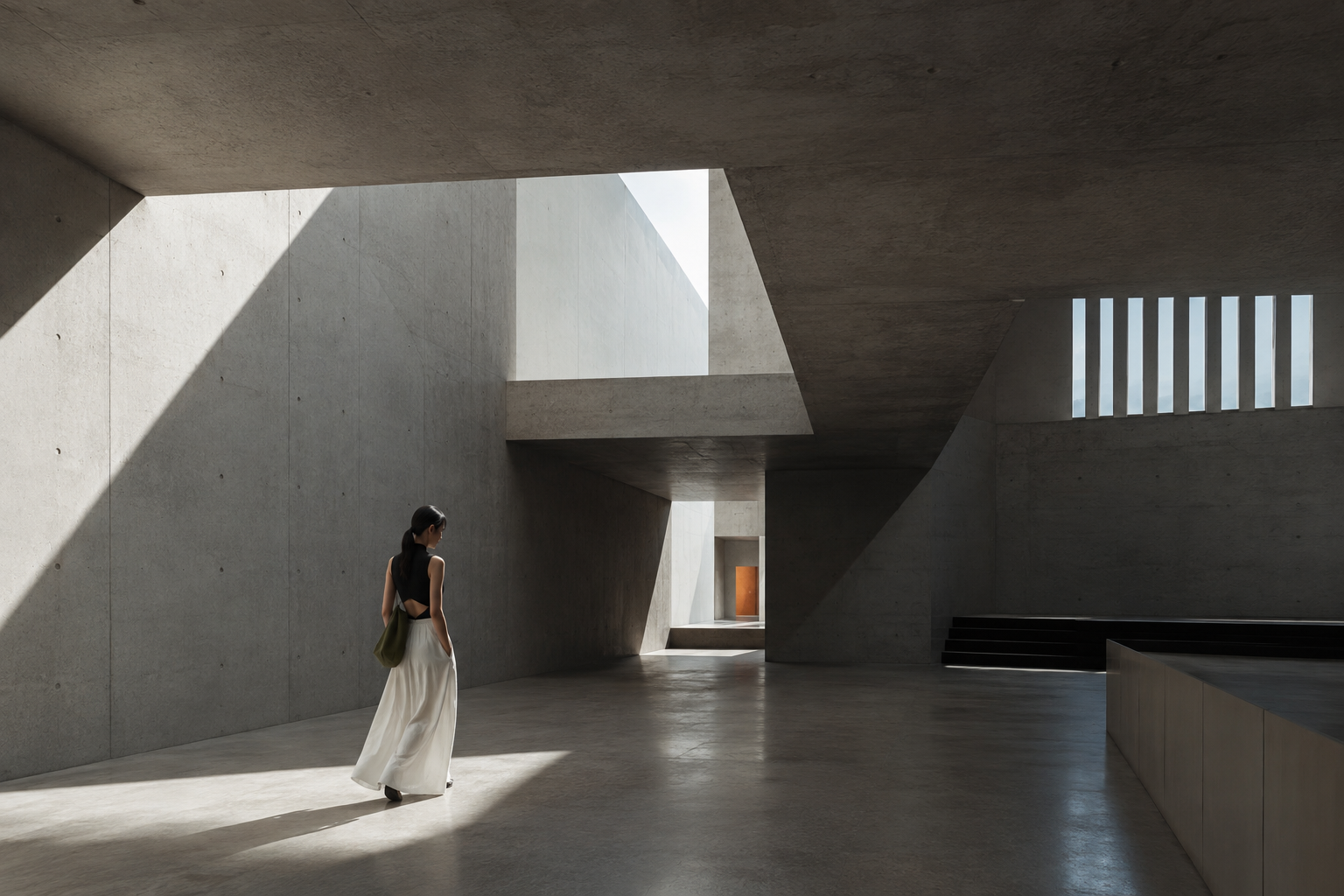 69
69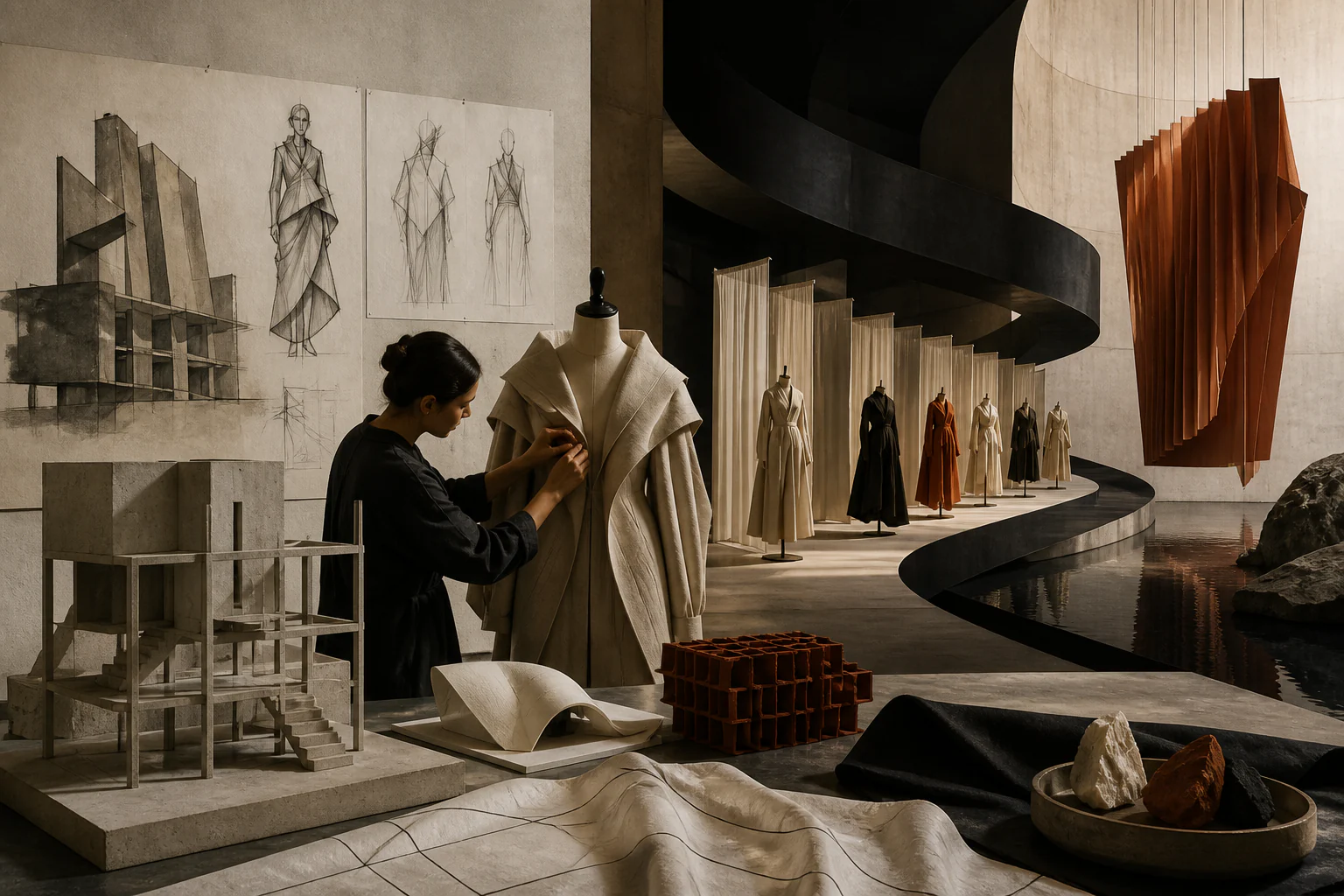 70
70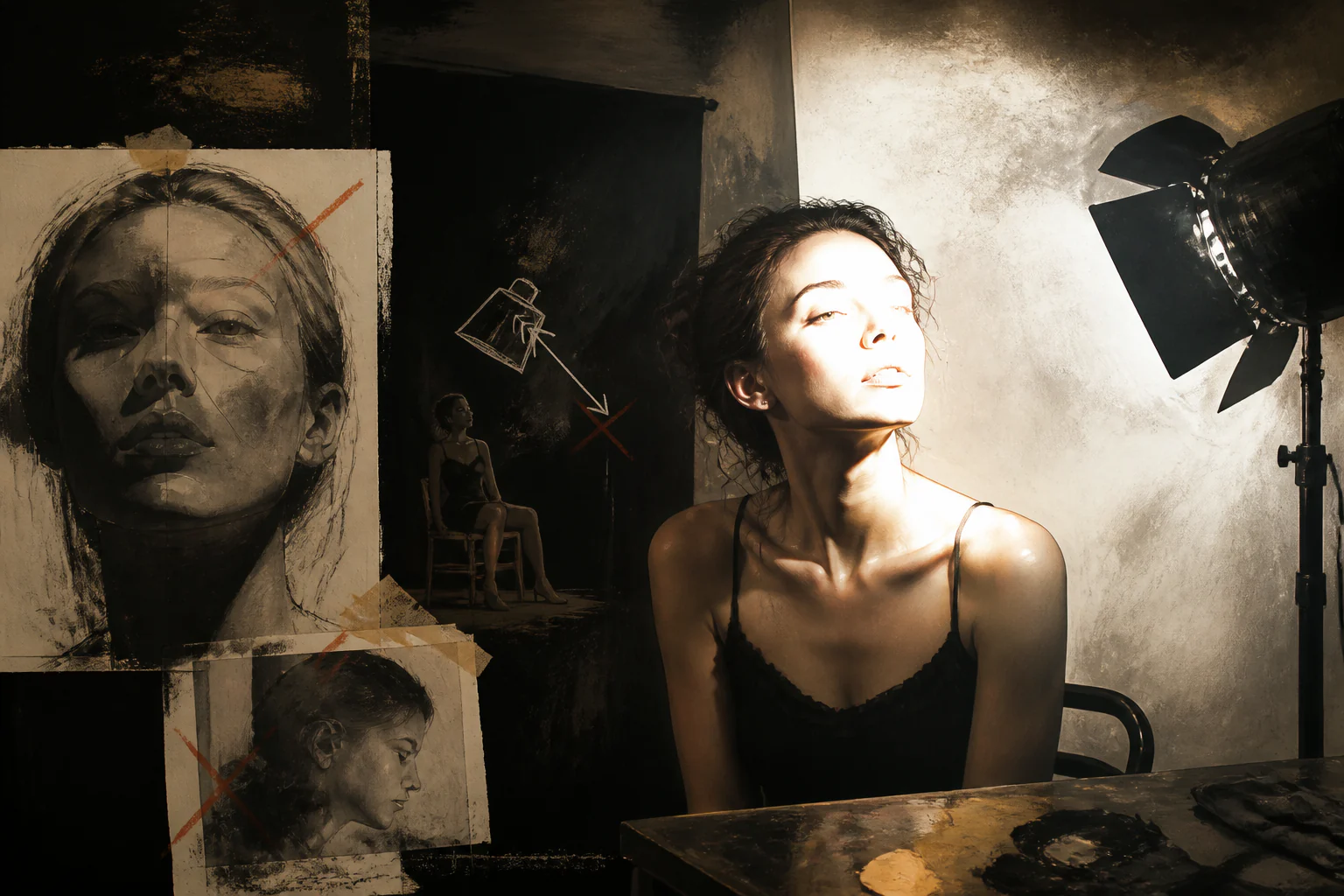 71
71 72
72 73
73 74
74 75
75 76
76 77
77 78
78 79
79 80
80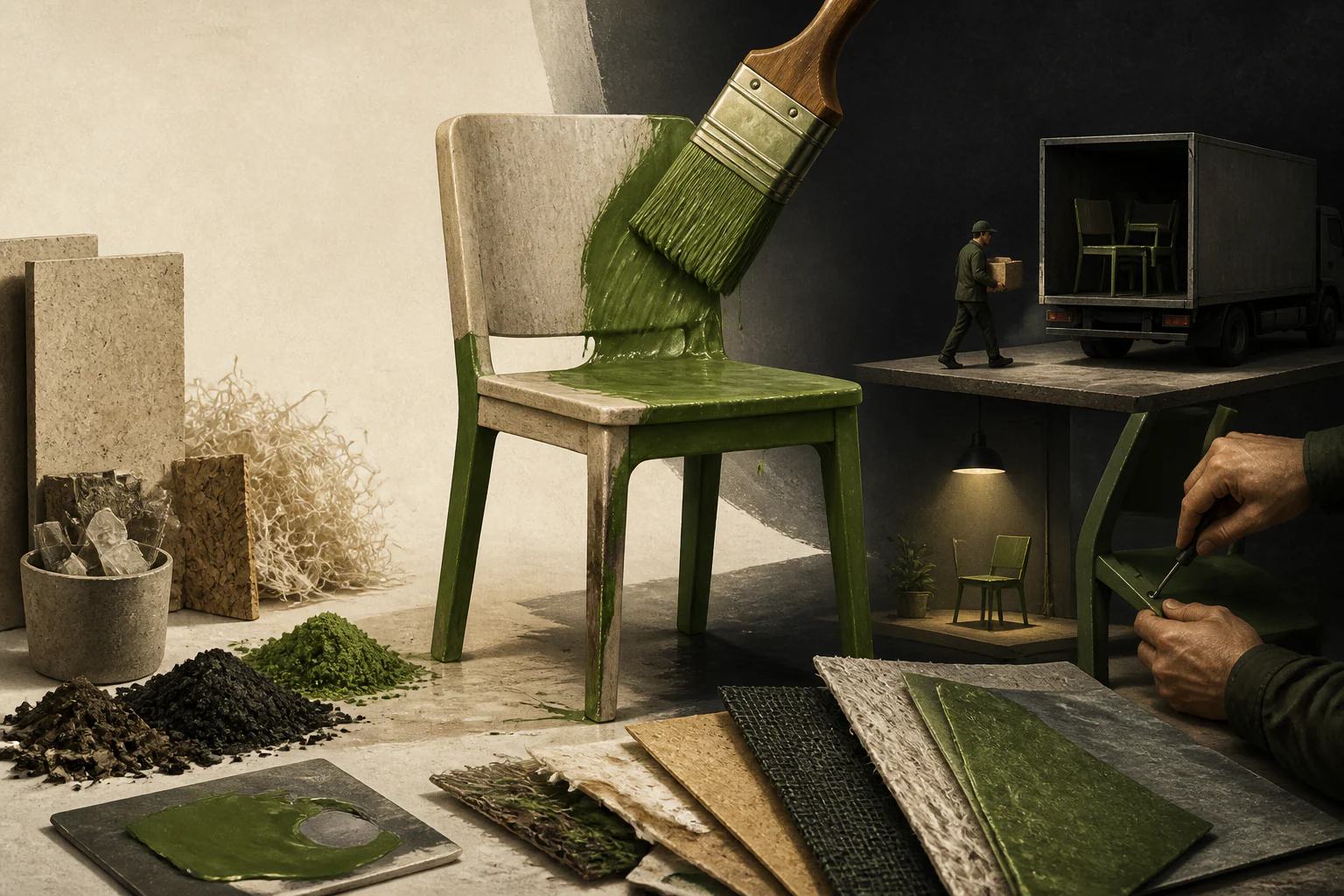 81
81 82
82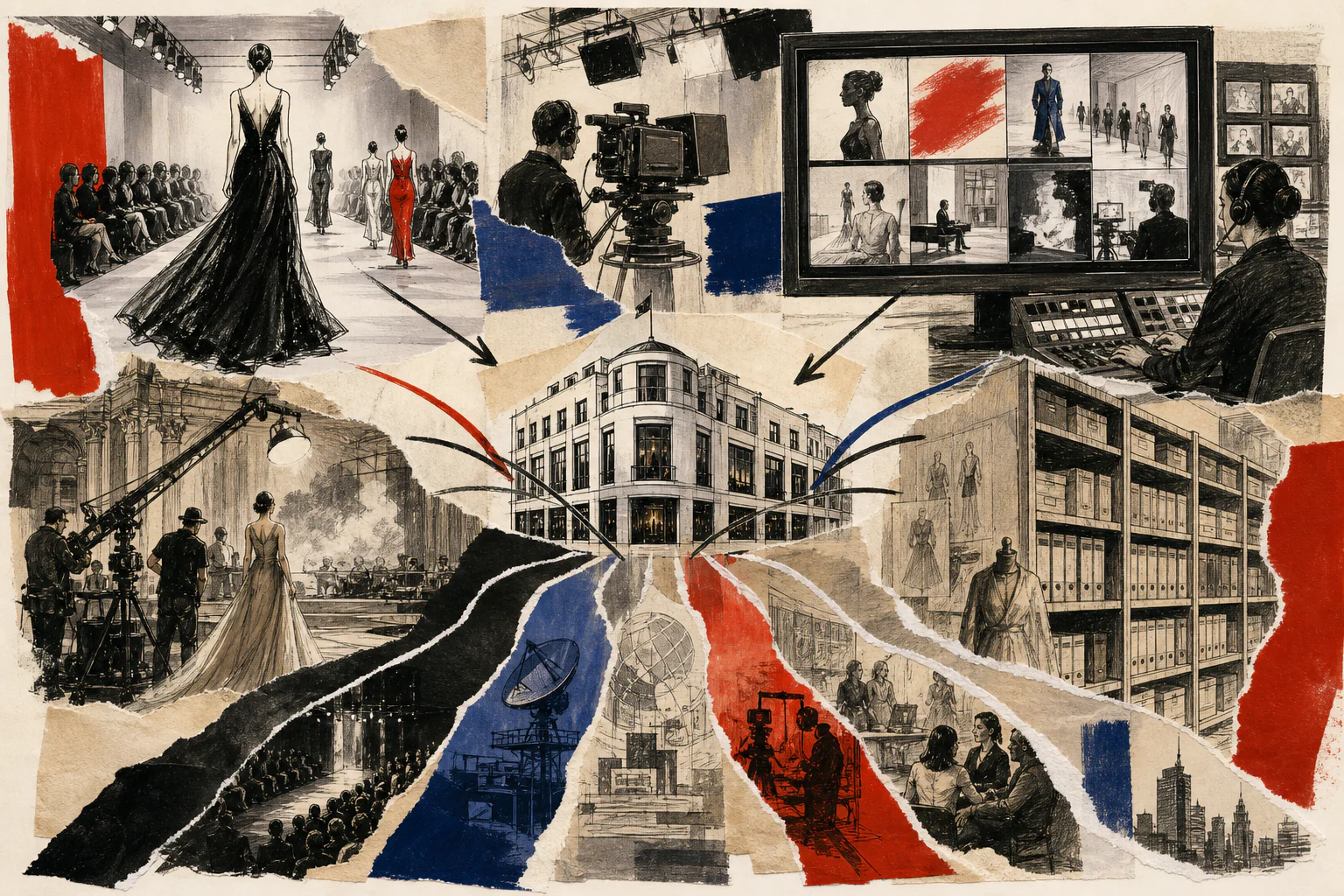 83
83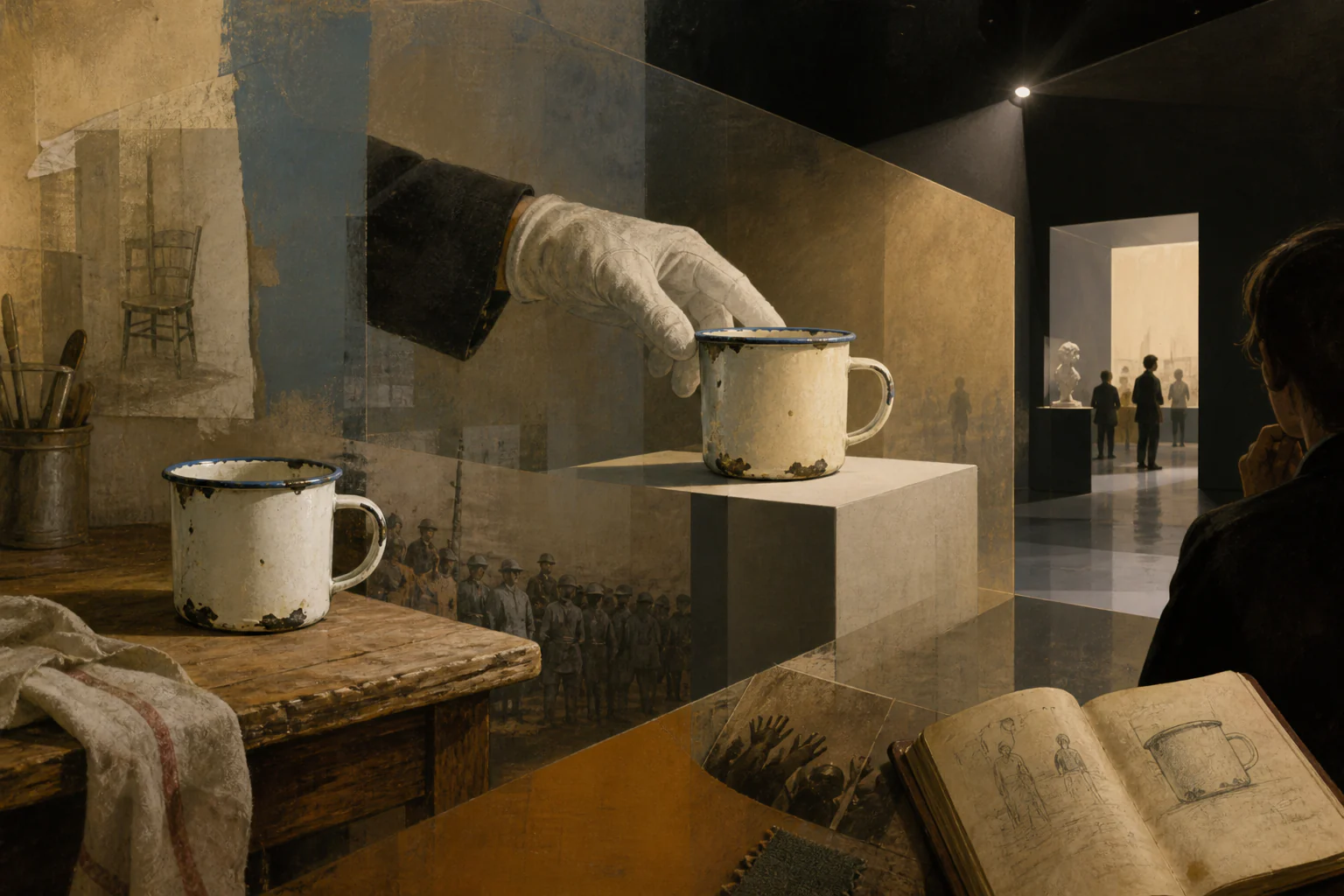 84
84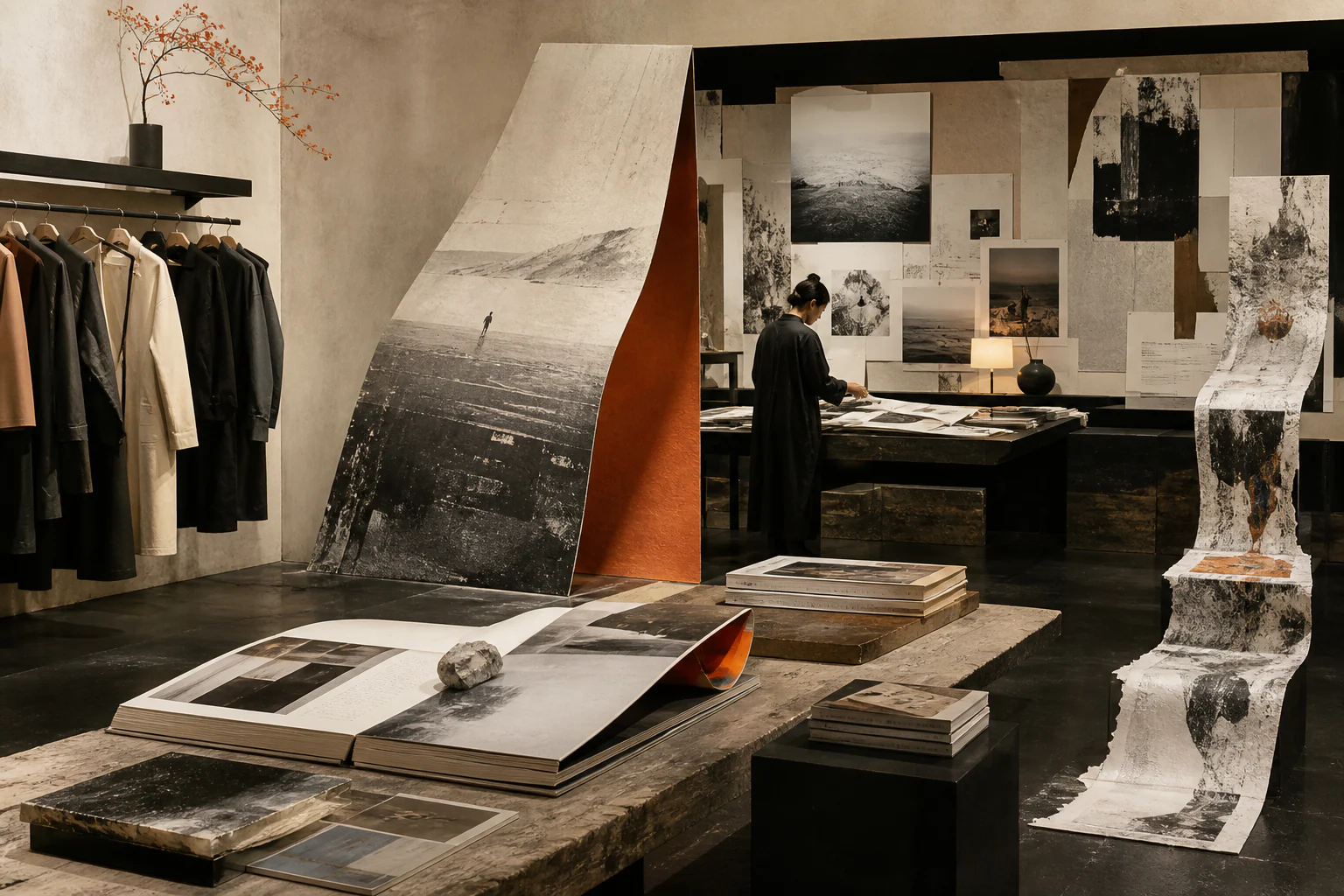
A Magazine Is No Longer Paper
Why editorial culture now lives across the issue, archive, database, event, studio, object and space02AI Editorial: Between Photography, Set Design and Digital Fashion
How an AI editorial combines camera logic, environmental design, clothing and page sequence in one process.03AI Image as a New Pre-Production Tool
How generative images can test light, space, composition, styling and frame systems before a shoot.04AI Moodboard vs Classic Moodboard
How a generative moodboard differs from a classic reference board, and when it helps versus when it hides a weak decision.05AI Visual Campaign: From Idea to Asset System
How to turn one visual idea into a connected system of hero, crop, story, reel and supporting frames without losing recognisability.06AI Visuals as a New Type of Fashion Image
Why generative imagery in fashion has become not an effect but a distinct way to design frames, series and campaigns.07Brief and Research: Turning a Task into a Visual Direction
How to read a brief, research the visual field and build a direction that explains decisions instead of imitating inspiration.08Brief: how to define a visual project correctly
Brief structure, goals, constraints, success criteria09Call sheet: how to organize a shoot day
People, timing, location, emergency, delivery10CGI: Why Images Are No Longer Just Shot — They’re Assembled
3D scenes, virtual light, compositing, reconstruction, and generative video as a new production logic of the frame11Citation, copying, and archive — when repetition becomes new design
Repetition becomes new design not when the surface changes but when access, context, authorship, and function change.12Color pipeline: from RAW to publication
RAW, profiles, proofing, print/web consistency13Color: Directing Attention, Depth and Mood
How to stop making images “pretty” with sliders and start understanding colour as a system of relationships.14Composition Without Myths: How a Frame Actually Works
Why the rule of thirds is useful as an exercise and harmful as a religion — and what viewers actually read inside a frame.15Creative treatment: how to present an idea to client and team
Presentation logic, visual argument, production feasibility16Creative Treatment: Turning an Idea into a Project the Team Can Read
Treatment, shot list, styling, location, casting and production planning as one language between the idea and the shoot day.17Delivery, archive and reuse of assets
Naming, licensing, archive, future campaign use18Digital Garment Image: Clothing Without a Physical Shoot
What happens to fashion imagery when the garment exists as a 3D or generative object before a physical photoshoot.19From Campaign to System: Layout, Delivery, Archive and Reuse
How to turn final images into a durable system of files, formats, rights, metadata and reuse.20From craft to digital craft — where mastery begins
Digital craft begins where an author governs the constraints of a tool as finely as a maker governs material.21From Selects to Final Image: Selection, Retouch and Color
Why post-production begins with editorial selection, how to write a retouch brief, and where color work stops being correction and starts destroying the image.22History of Design
From ancient craft and the Roman Empire to design schools, the Industrial Revolution and digital systems23How a Designer Can Analyse an Image Instead of Only Its Style
Structure, motif, material, context and the function of an image.24How a Photographer Can Think Like an Art Director
Image systems, sequence, client objective, selection and exclusion.25How AI Changes the Role of the Creative Producer and Visual Director
How generative tools shift the role from managing a single frame to managing a system of decisions, variants and checks.26How an industrial material becomes a symbol of luxury
Luxury is produced not by rare raw material but by moving a cheap technology into a precise cultural context.27How background becomes a co-author of photography
Background is not “behind.” It assigns period, value, temperature and truth.28How clothing behaves inside a photograph
On a hanger, clothing is form. In a photograph, it becomes gesture, reflection, fold and character.29How color changes photography more than plot
The same frame can become a memory, a shop window, a hospital corridor or an expensive dream.30How logistics changes the form of an object
Packaging, stacking, weight, and delivery route design an object no less than its author does.31How photography turns an ordinary place into a scene
A room becomes an image when the photographer sees light, lines and pause before furniture.32How Product Photography Is Built on Material and Reflection
Surface, highlight, reflection, scale and background as cause-and-effect lighting decisions.33How religion influenced the world of fashion
Modesty, ritual, craft and symbol: how religious systems shaped the language of dress34How to Build a Moodboard That Actually Works
Analyse references and translate them into decisions: a moodboard as a decision tool, not a collage.35How to Build a Strong Portfolio for a Photographer and Visual Designer
Selection, sequence, specialisation, trust and the removal of weak work.36How to Build an Editorial Presentation of a Project
Narrative, rhythm, captions, evidence and image order.37How to Build Composition Without the Rule of Thirds
Attention, rhythm, visual weight, negative space and tension instead of a classroom template.38How to Build Visual Research Without Chaos
Folders, tags, evidence, synthesis, selection and recorded conclusions.39How to Create Believable AI Space for Fashion Visuals
A practical method for building space where perspective, light, materials and imperfections obey one physical logic.40How to Direct a Model Without Destroying Naturalness
Direction, trust, pauses and tasks instead of mechanical posing.41How to Prepare a Shoot: From Idea to Shot List
Translate a concept into a production structure and a set of required frames.42How to Read Light in a Room
Window light, reflection, direction, contrast and colour: practical observation before meters.43How to See Colour Before Editing
Surfaces, light temperature, clothing, neighbouring colours and exposure: colour before Lightroom.44Layout and publishing prep
Crops, aspect ratios, captions, usage contexts45Light: How It Builds an Image
Not a catalogue of setups, but a way to see why the same subject becomes a different image under different light.46Location & space check: how to choose a space
Light, power, access, texture, scale, sound47Minimalism: why absence sometimes costs more than decoration
Minimalism is expensive not through the number of elements but because it moves cost into the precision of surface, joint, and tolerance.48Pierre Cardin: How a Fashion House Became a System
From the House of Worth firm to Pierre Cardin's licensing model as described in the house's official history, this article reads fashion-house influence through authorship, the calendar, cultural memory, and the circulation of a name—not trends alone.49Portfolio: Turning Work Into a Professional Position
A good portfolio does not prove you can do everything. It makes clear why someone should come specifically to you.50Pre-light and technical prep
Lighting tests, equipment, backup and ratios51Prompt as Direction: How Text Becomes Set Design
How to write a prompt as a directing and set-design brief: space, camera, light, material, action and constraints.52Research: how to collect references without noise
Search logic, evidence, references vs imitation53Research: How to Find Patterns, Not Pictures
References become useful only when you know what you are taking from them — light, behaviour, structure or the logic of a decision.54Retouching handoff: how to formulate changes
Notes, layers, references, boundaries55Selects, contact sheet and first edit
Selection logic, proofing, hierarchy56Shoot day workflow
Order of operations, communication, safety, backups57Shoot Day: Managing Image, People and Time
What actually needs control on set — from pre-light and tethering to the hero frame, continuity and a backup plan.58Shot list: translating an idea into a shooting plan
Frames, priority, usage, coverage59Styling plan: wardrobe, accessories and image roles
Look logic, wardrobe continuity, story roles60The Aesthetics of Trust: Making an AI Image Believable, Not Plastic
How light, skin, fabric, optics, imperfections and causal physical logic create trust in a generative image.61The Music Video as Myth Factory
How music video turns a song into a face, body, costume, gesture and cultural memory62The Screen That Answers Back
How the cursor, touch, design systems and AI turned the image into action63Visionaire: The Magazine That Refused to Be a Magazine
How material, scale, scarcity and public experience turned publishing form into an authorial argument64What makes a photograph look expensive
An expensive image rarely shouts. It knows how to hold distance, air and material.65Who authors the image in the age of generative AI
Authorship has shifted from a single press to a distributed system: data, model, prompt, selection, assembly, and publication.66Why a design system outlives an individual designer
A system outlives its author when it turns taste into rules, details into an interface, and exceptions into a governed vocabulary.67Why an accidental frame is rarely accidental
Accident works only for someone who has trained the eye in advance.68Why Architecture Became a Key Actor in AI Fashion Imagery
How space sets scale, light, model behaviour and trust in a generated fashion frame.69Why architecture became the language of contemporary fashion
Fashion borrows from architecture not a shape but a method: frame, shell, route, scale, and the scenography of display.70Why bad light ruins even a beautiful person
A beautiful face will not save a frame when light destroys form, skin and character.71Why Dazed and i-D Matter More Than Youth Magazines
How two London publications turned street culture, identity and cultural risk into a system of early visibility72Why design does not translate: how different schools teach different ways of thinking
American, Soviet, Bauhaus, Swiss, Polish, Japanese, Italian, Scandinavian and Dutch design differ not only in form. They answer the basic question of design in different ways: why should design exist at all?73Why Fashion Stopped Trusting Photography
Fashion film, platforms and AI video as a new dramaturgy of the fashion image74Why Games Taught Us to Read the Screen Faster Than Cinema
HUDs, maps, inventory and feedback as a new kind of visual literacy75Why Images Are Built Today, Not Only Shot
Why contemporary visual production increasingly assembles the frame from camera, 3D, generation, retouching and design as one production construction.76Why Opening Titles Can Matter More Than the First Scene
Saul Bass, Kyle Cooper and Skip Intro — how the opening sequence teaches the viewer to watch77Why photography begins with light, not with the camera
The camera records. Light builds form, value, time and trust.78Why retouching should be invisible
Good retouching does not decorate the frame. It returns trust to it.79Why shadow is more important than light
Light reveals. Shadow makes form believable.80Why sustainability cannot be proven by green color
Sustainability is verified through material, energy, logistics, service life, repair, and transparency — not through a palette.81Why technology changes not speed, but the shape of imagination
A technology’s main effect is not the acceleration of old work but the appearance of objects and images that were previously hard to conceive.82Why the Fashion House Now Resembles a TV Network
Shows, films, podcasts, archives and cultural programmes as a continuous brand broadcast83Why the museum changes the meaning of an ordinary object
A museum does not store an object; it changes the regime in which the object is read, turning it into argument, document, and canon.84Why the store became media
The store stopped being a point of sale and became a publishing channel: a spatial magazine and a brand interface.