analysis
Shot list: translating an idea into a shooting plan
Frames, priority, usage, coverage
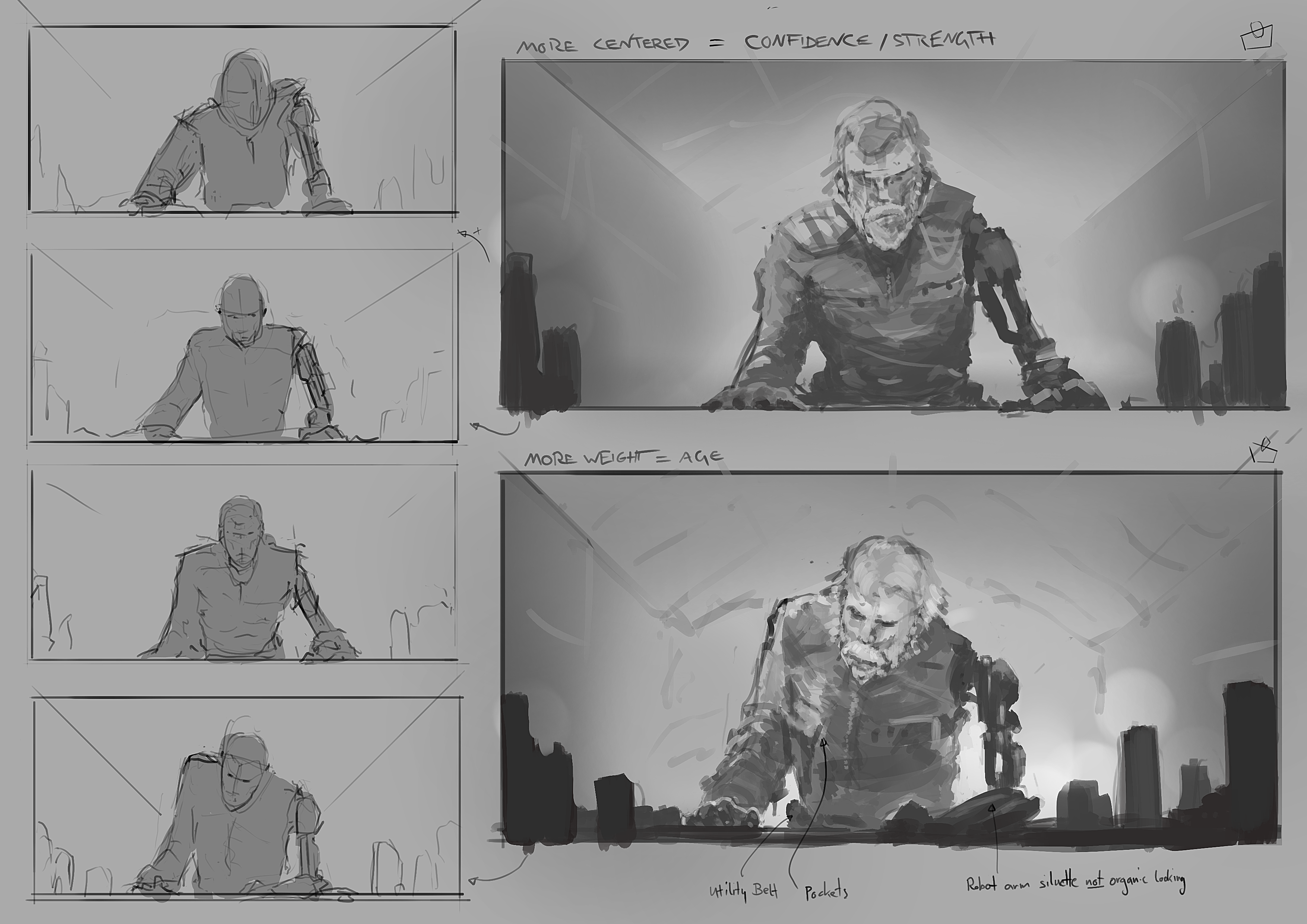
Editorial question
Which observable signs let us test the thesis of “Shot list: translating an idea into a shooting plan”: frames, priority, usage, coverage?
Short answer
Frames, priority, usage, coverage
Thesis
A strong visual project begins not with a beautiful frame but with decisions placed in the right order. Shot list: translating an idea into a shooting plan exists so the team understands not only what to do, but why each action belongs to the larger system.
Evidence and cases
Context
Within “Shot list: translating an idea into a shooting plan”, “Context” narrows the analysis to its subject: Frames, priority, usage, coverage
Разделить hero, support, detail и utility кадры
Within “Shot list: translating an idea into a shooting plan”, “Разделить hero, support, detail и utility кадры” narrows the analysis to its subject: Frames, priority, usage, coverage
Привязать каждый кадр к использованию
Within “Shot list: translating an idea into a shooting plan”, “Привязать каждый кадр к использованию” narrows the analysis to its subject: Frames, priority, usage, coverage
Пометить приоритет и обязательность
Within “Shot list: translating an idea into a shooting plan”, “Пометить приоритет и обязательность” narrows the analysis to its subject: Frames, priority, usage, coverage
How it works
Within “Shot list: translating an idea into a shooting plan”, “How it works” narrows the analysis to its subject: Frames, priority, usage, coverage
Practice 01
Take a current project and write down five mandatory decisions. For this topic: разделить hero, support, detail и utility кадры; привязать каждый кадр к использованию; пометить приоритет и обязательность; указать объектив, ракурс, движение и свет только где это влияет на результат; заложить страховочные и переходные кадры. Next to each one, add one verifiable artifact: a file, test frame, table, approval or export.
Practice 02
Within “Shot list: translating an idea into a shooting plan”, “Practice 02” narrows the analysis to its subject: Frames, priority, usage, coverage
Relation to fashion
Within “Shot list: translating an idea into a shooting plan”, “Relation to fashion” narrows the analysis to its subject: Frames, priority, usage, coverage
Relation to architecture and space
Within “Shot list: translating an idea into a shooting plan”, “Relation to architecture and space” narrows the analysis to its subject: Frames, priority, usage, coverage
Relation to image and photography
Within “Shot list: translating an idea into a shooting plan”, “Relation to image and photography” narrows the analysis to its subject: Frames, priority, usage, coverage
Relation to object and material
Within “Shot list: translating an idea into a shooting plan”, “Relation to object and material” narrows the analysis to its subject: Frames, priority, usage, coverage
Relation to technology
Within “Shot list: translating an idea into a shooting plan”, “Relation to technology” narrows the analysis to its subject: Frames, priority, usage, coverage
Critical view
The process most often breaks like this: listing poses instead of communication tasks, forgetting crops and platform ratios, no priority when time collapses. The problem is not that the team is not trying hard enough, but that the decision cannot be checked in time.
Local and contemporary context
Within “Shot list: translating an idea into a shooting plan”, “Local and contemporary context” narrows the analysis to its subject: Frames, priority, usage, coverage
Key terms
Within “Shot list: translating an idea into a shooting plan”, “Key terms” narrows the analysis to its subject: Frames, priority, usage, coverage
Timeline links
Within “Shot list: translating an idea into a shooting plan”, “Timeline links” narrows the analysis to its subject: Frames, priority, usage, coverage
Visual analysis
The article's visual logic can be tested through «Context», «Разделить hero, support, detail и utility кадры», «Привязать каждый кадр к использованию», «Пометить приоритет и обязательность», «How it works», «Practice 01». Compare these signs within one object or sequence rather than judging them as an isolated style.
Practical implication
For “Shot list: translating an idea into a shooting plan”, the practical criterion follows from the article's subject: Frames, priority, usage, coverage
Limitations
“Shot list: translating an idea into a shooting plan” is limited to its stated subject: frames, priority, usage, coverage. The analysis does not replace examination of a specific original, project, or production context.
Sources
The open sources for “Shot list: translating an idea into a shooting plan” are listed in the page panel and define the boundary of its verifiable facts.
Related materials
Within “Shot list: translating an idea into a shooting plan”, “Related materials” narrows the analysis to its subject: Frames, priority, usage, coverage