critic theorist profile
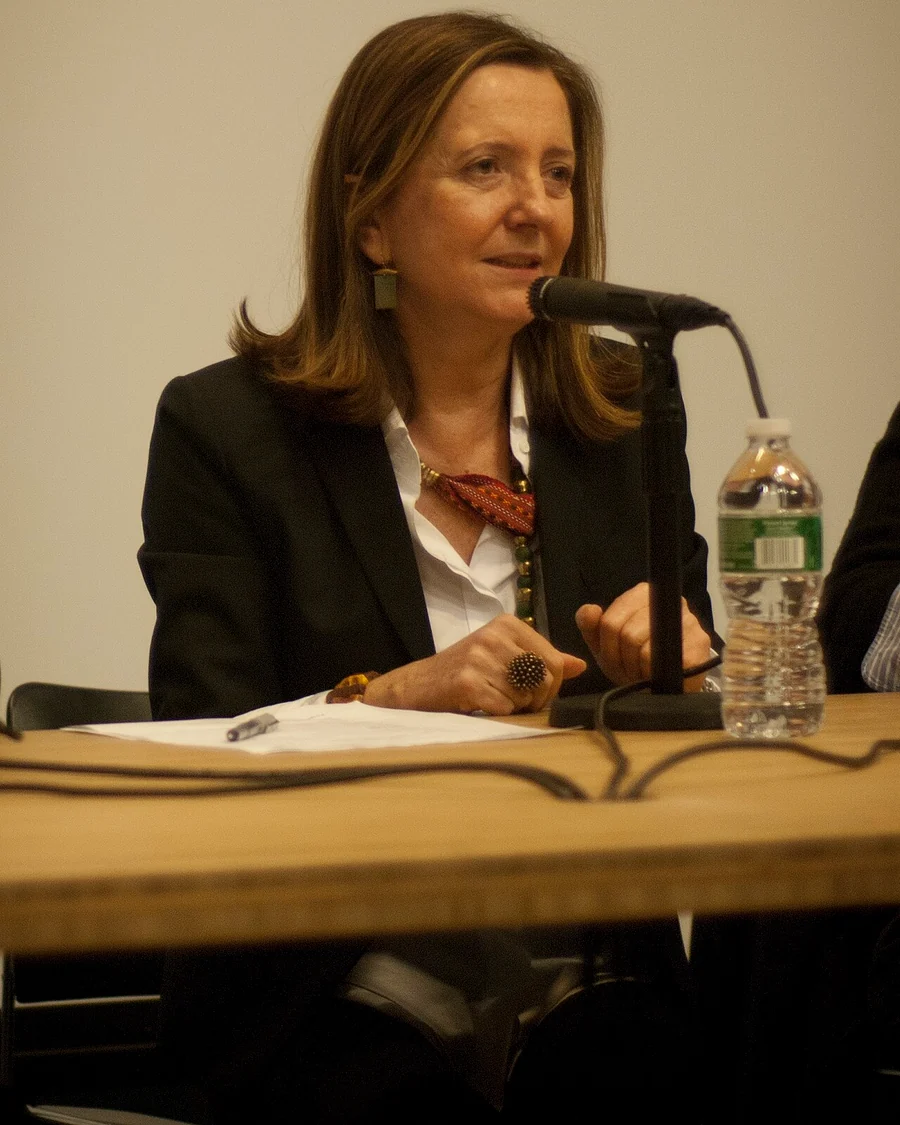
Beatriz Colomina
Architecture as media: photography, publication, health and the public production of space
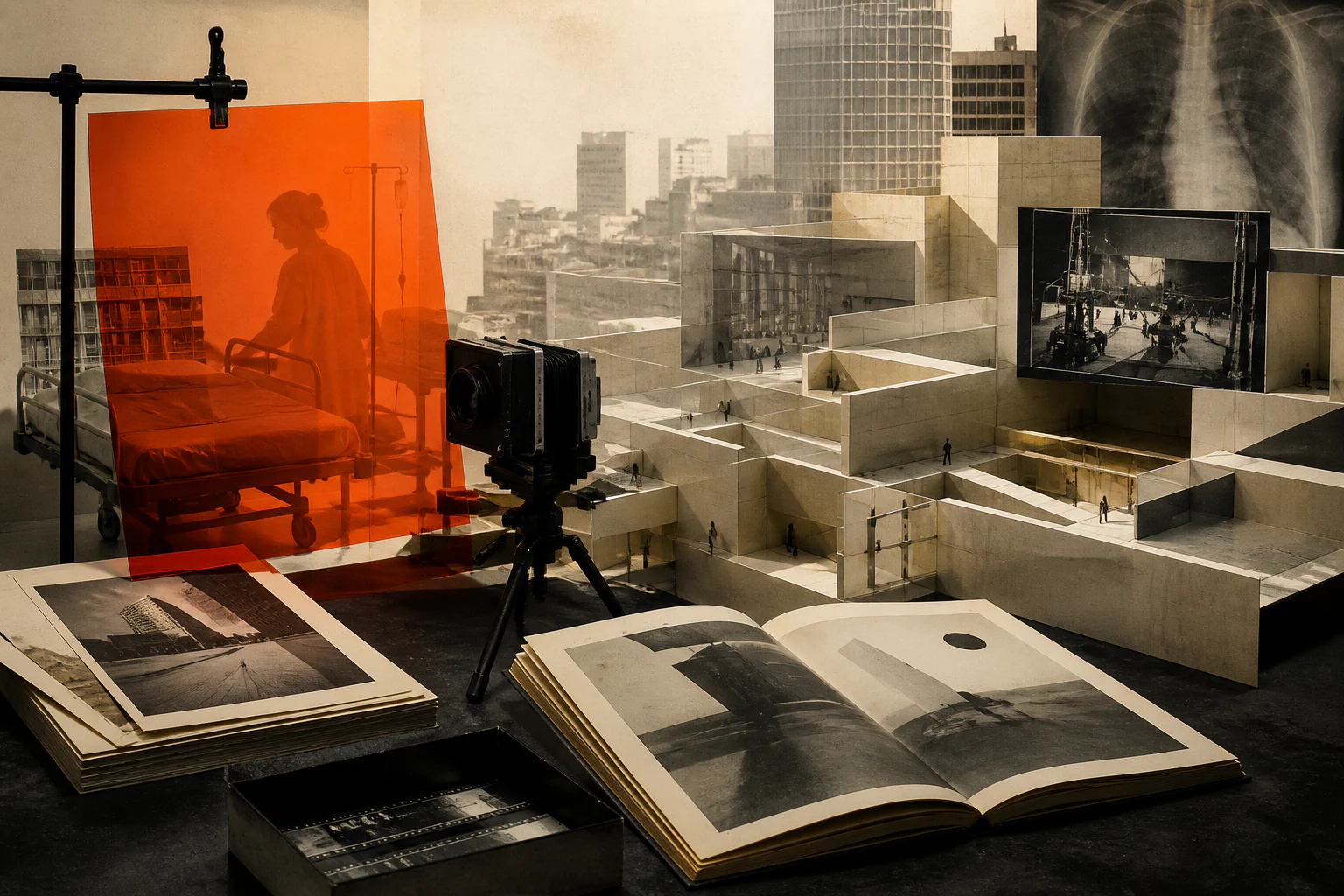
Beatriz Colomina changed architectural theory by showing that modern buildings are not produced only on construction sites. Photography, magazines, advertising, exhibitions and publication participate in producing architecture by shaping its audience, authorial image and the meaning of private and public.
Editorial thesis
Beatriz Colomina changed architectural theory by showing that modern buildings are not produced only on construction sites. Photography, magazines, advertising, exhibitions and publication participate in producing architecture by shaping its audience, authorial image and the meaning of private and public.
Reader question
Can a photograph of a building be part of the architecture itself when most people will never see the original and will know it only through publications?
Short answer
Colomina is an architectural historian and theorist long based at Princeton University. Privacy and Publicity connected modern architecture to mass media; later research examined X-rays, health, radical pedagogy and relationships among bodies, technologies and the built environment.
1. Barcelona and architectural education
Colomina received architectural training in Barcelona before developing an international academic research career. [source]
2. Mechanism: architect as theorist
Architectural training matters to her criticism because media are treated not as external commentary but as part of design production. The point is not an isolated gesture but a way of organising practice. The decision connects author, material, institution, technology and audience, so it cannot be reduced to a personal signature or a polished result. For VANSMITHLAB this episode functions as a mechanism that can be compared across neighbouring practices. [source]
3. Significance: architect as theorist
This episode explains why Beatriz Colomina belongs in VANSMITHLAB’s map of authors. The significance lies in changing professional rules: who decides, how authorship is distributed, what counts as the result, and how the work enters public culture. The profile therefore keeps context attached to achievement instead of turning biography into a list of milestones. [source]
4. Princeton: media become an architectural discipline
Since the late 1980s Colomina has been associated with Princeton School of Architecture, where she founded the Media and Modernity programme and developed research on architecture through publication and image. [source]
5. Mechanism: research as institution
An institutional programme turns an individual research hypothesis into a long-term field for students and colleagues. The point is not an isolated gesture but a way of organising practice. The decision connects author, material, institution, technology and audience, so it cannot be reduced to a personal signature or a polished result. For VANSMITHLAB this episode functions as a mechanism that can be compared across neighbouring practices. [source]
6. Significance: research as institution
This episode explains why Beatriz Colomina belongs in VANSMITHLAB’s map of authors. The significance lies in changing professional rules: who decides, how authorship is distributed, what counts as the result, and how the work enters public culture. The profile therefore keeps context attached to achievement instead of turning biography into a list of milestones. [source]
7. Privacy and Publicity: modern architecture as mass media
Privacy and Publicity examines Le Corbusier and Adolf Loos through photographs, magazines, advertising and relations between private interiors and public images. [source]
8. Mechanism: architecture through publication
Architectural history changes when publication is treated not as illustration of a completed building but as a place where the building acquires public form. The point is not an isolated gesture but a way of organising practice. The decision connects author, material, institution, technology and audience, so it cannot be reduced to a personal signature or a polished result. For VANSMITHLAB this episode functions as a mechanism that can be compared across neighbouring practices. [source]
9. Significance: architecture through publication
This episode explains why Beatriz Colomina belongs in VANSMITHLAB’s map of authors. The significance lies in changing professional rules: who decides, how authorship is distributed, what counts as the result, and how the work enters public culture. The profile therefore keeps context attached to achievement instead of turning biography into a list of milestones. [source]
10. Le Corbusier: the architect designs visibility
Colomina shows how Le Corbusier used books, magazines, photographs and montage to circulate architectural ideas and shape his public image. [source]
11. Mechanism: designing visibility
Media strategy becomes part of authorship: the architect designs not only space but its future reception. The point is not an isolated gesture but a way of organising practice. The decision connects author, material, institution, technology and audience, so it cannot be reduced to a personal signature or a polished result. For VANSMITHLAB this episode functions as a mechanism that can be compared across neighbouring practices. [source]
12. Significance: designing visibility
This episode explains why Beatriz Colomina belongs in VANSMITHLAB’s map of authors. The significance lies in changing professional rules: who decides, how authorship is distributed, what counts as the result, and how the work enters public culture. The profile therefore keeps context attached to achievement instead of turning biography into a list of milestones. [source]
13. Adolf Loos: privacy is not the absence of the gaze
Colomina’s analysis of Loos connects interiors, windows, theatricality and gender relations, showing private space as a complex system of gazes. [source]
14. Mechanism: architecture of the gaze
A house does not simply divide inside from outside; architecture regulates who sees, who is seen and from what position. The point is not an isolated gesture but a way of organising practice. The decision connects author, material, institution, technology and audience, so it cannot be reduced to a personal signature or a polished result. For VANSMITHLAB this episode functions as a mechanism that can be compared across neighbouring practices. [source]
15. Significance: architecture of the gaze
This episode explains why Beatriz Colomina belongs in VANSMITHLAB’s map of authors. The significance lies in changing professional rules: who decides, how authorship is distributed, what counts as the result, and how the work enters public culture. The profile therefore keeps context attached to achievement instead of turning biography into a list of milestones. [source]
16. Architectural photography is not a neutral record
In Colomina’s research photography is treated as an active instrument of viewpoint, framing and sequence through which architecture enters culture. [source]
17. Mechanism: photography as part of the building
For most canonical buildings the photographic image has a larger audience than the physical object, so it cannot be treated as secondary. The point is not an isolated gesture but a way of organising practice. The decision connects author, material, institution, technology and audience, so it cannot be reduced to a personal signature or a polished result. For VANSMITHLAB this episode functions as a mechanism that can be compared across neighbouring practices. [source]
18. Significance: photography as part of the building
This episode explains why Beatriz Colomina belongs in VANSMITHLAB’s map of authors. The significance lies in changing professional rules: who decides, how authorship is distributed, what counts as the result, and how the work enters public culture. The profile therefore keeps context attached to achievement instead of turning biography into a list of milestones. [source]
19. X-Ray Architecture: medicine and modernism
In X-Ray Architecture Colomina examines links among modern architecture, medical imaging, transparency, tuberculosis and twentieth-century health culture. [source]
20. Mechanism: health and form
Glass and white surfaces gain additional meaning when read alongside medical ideas of cleanliness, ventilation and bodily visibility. The point is not an isolated gesture but a way of organising practice. The decision connects author, material, institution, technology and audience, so it cannot be reduced to a personal signature or a polished result. For VANSMITHLAB this episode functions as a mechanism that can be compared across neighbouring practices. [source]
21. Significance: health and form
This episode explains why Beatriz Colomina belongs in VANSMITHLAB’s map of authors. The significance lies in changing professional rules: who decides, how authorship is distributed, what counts as the result, and how the work enters public culture. The profile therefore keeps context attached to achievement instead of turning biography into a list of milestones. [source]
22. Radical Pedagogies: the school as a design object
The Radical Pedagogies research project mapped experimental models of twentieth-century architectural education and treated the school as a place where new design methods are invented. [source]
23. Mechanism: pedagogy as architecture
Architectural history includes not only buildings and authors but pedagogical formats from which future practices emerge. The point is not an isolated gesture but a way of organising practice. The decision connects author, material, institution, technology and audience, so it cannot be reduced to a personal signature or a polished result. For VANSMITHLAB this episode functions as a mechanism that can be compared across neighbouring practices. [source]
24. Significance: pedagogy as architecture
This episode explains why Beatriz Colomina belongs in VANSMITHLAB’s map of authors. The significance lies in changing professional rules: who decides, how authorship is distributed, what counts as the result, and how the work enters public culture. The profile therefore keeps context attached to achievement instead of turning biography into a list of milestones. [source]
25. We the Bacteria: humans are not architecture’s only inhabitants
In work with Mark Wigley, Colomina expands discussion of the environment toward bacteria, microbiomes and invisible forms of life coexisting with humans in buildings. [source]
26. Mechanism: architecture as ecology
This changes the unit of design: architecture becomes an ecology of interdependent organisms rather than a shell for humans alone. The point is not an isolated gesture but a way of organising practice. The decision connects author, material, institution, technology and audience, so it cannot be reduced to a personal signature or a polished result. For VANSMITHLAB this episode functions as a mechanism that can be compared across neighbouring practices. [source]
27. Significance: architecture as ecology
This episode explains why Beatriz Colomina belongs in VANSMITHLAB’s map of authors. The significance lies in changing professional rules: who decides, how authorship is distributed, what counts as the result, and how the work enters public culture. The profile therefore keeps context attached to achievement instead of turning biography into a list of milestones. [source]
28. Legacy: the building exists in material and media at once
Colomina made media not an appendix to architectural history but one of its core productive mechanisms. [source]
29. Mechanism: material and mediated
Her method is especially important for VANSMITHLAB: an object should be studied together with the ways it is photographed, published, archived and turned into a cultural image. The point is not an isolated gesture but a way of organising practice. The decision connects author, material, institution, technology and audience, so it cannot be reduced to a personal signature or a polished result. For VANSMITHLAB this episode functions as a mechanism that can be compared across neighbouring practices. [source]
30. Significance: material and mediated
This episode explains why Beatriz Colomina belongs in VANSMITHLAB’s map of authors. The significance lies in changing professional rules: who decides, how authorship is distributed, what counts as the result, and how the work enters public culture. The profile therefore keeps context attached to achievement instead of turning biography into a list of milestones. [source]