critic theorist profile
Susan Sontag
Image, distance and the morality of spectatorship: photography criticism as cultural power
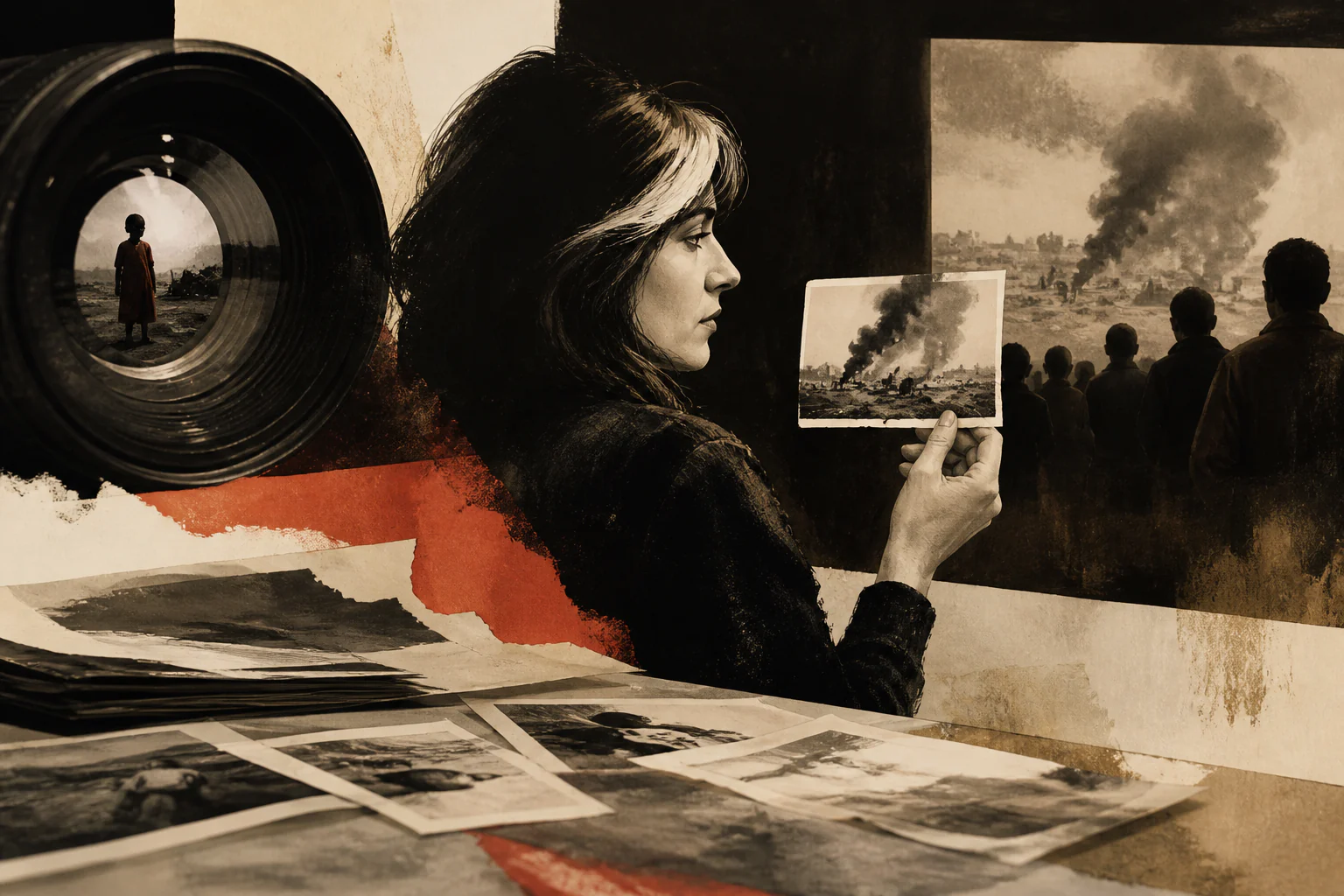
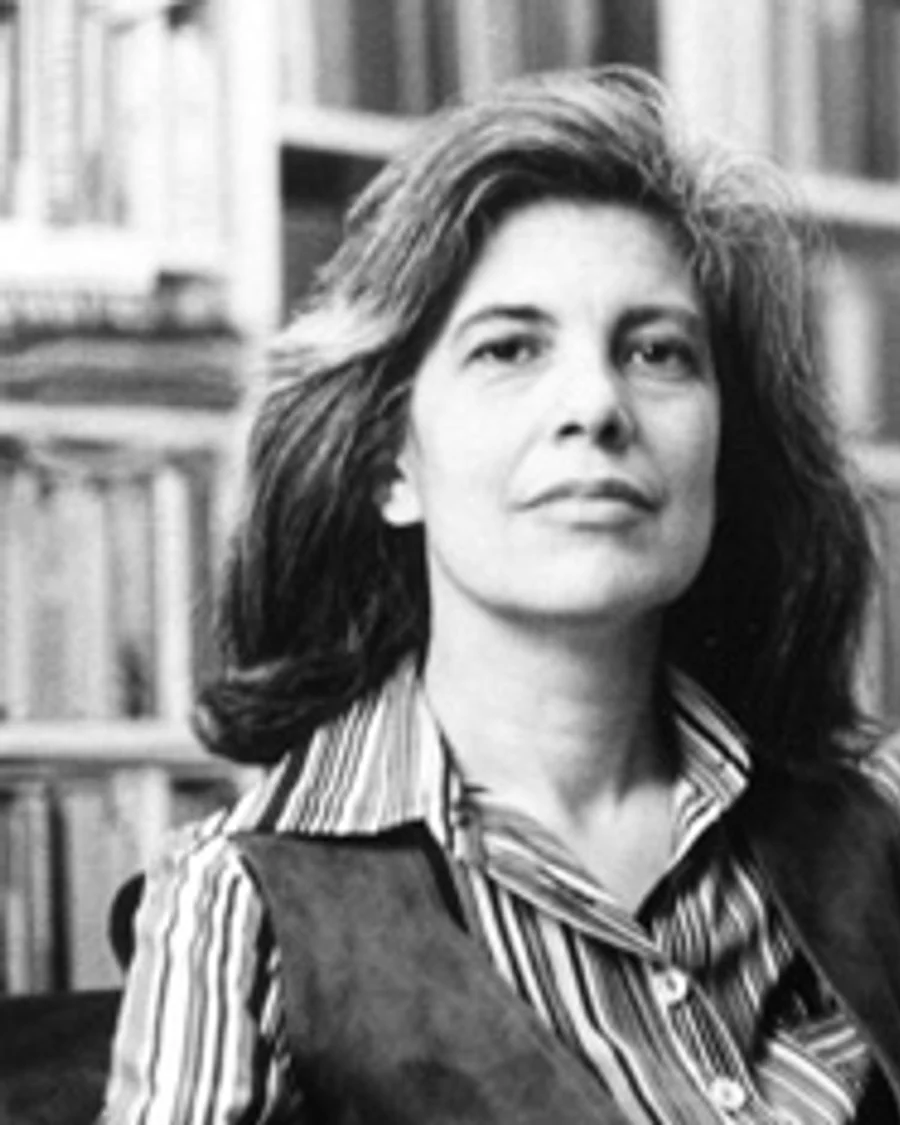
Susan Sontag matters to visual culture because she moved the discussion of photography from technique and taste into ethics, power and spectator behaviour. Her writing asks not only what an image shows but what happens to a person who endlessly looks at, collects, publishes and consumes other people’s reality.
Editorial thesis
Susan Sontag matters to visual culture because she moved the discussion of photography from technique and taste into ethics, power and spectator behaviour. Her writing asks not only what an image shows but what happens to a person who endlessly looks at, collects, publishes and consumes other people’s reality.
Reader question
Why can photography, which appears to be direct evidence of reality, simultaneously create distance, habit and power over what is pictured?
Short answer
Sontag was a writer, essayist, director and public intellectual. The 1977 collection On Photography and the 2003 book Regarding the Pain of Others became key points in debates about photography, war, spectator distance and whether images of suffering can change behaviour.
1. Against Interpretation: resisting automatic explanation
In essays of the 1960s Sontag criticised the habit of turning a work of art into a message that must be decoded and paraphrased. [source]
2. Mechanism: interpretation and experience
Criticism should not destroy the sensory experience of a work by explaining it into complete transparency. The point is not an isolated gesture but a way of organising practice. The decision connects author, material, institution, technology and audience, so it cannot be reduced to a personal signature or a polished result. For VANSMITHLAB this episode functions as a mechanism that can be compared across neighbouring practices. [source]
3. Significance: interpretation and experience
This episode explains why Susan Sontag belongs in VANSMITHLAB’s map of authors. The significance lies in changing professional rules: who decides, how authorship is distributed, what counts as the result, and how the work enters public culture. The profile therefore keeps context attached to achievement instead of turning biography into a list of milestones. [source]
4. On Photography: photographing as a form of appropriation
In On Photography Sontag treats photographing as an action that turns the world into a set of images available for storing, comparing and consuming. [source]
5. Mechanism: camera and appropriation
The camera does not simply record reality; it frames, selects a moment and turns an event into an object possessed by the gaze. The point is not an isolated gesture but a way of organising practice. The decision connects author, material, institution, technology and audience, so it cannot be reduced to a personal signature or a polished result. For VANSMITHLAB this episode functions as a mechanism that can be compared across neighbouring practices. [source]
6. Significance: camera and appropriation
This episode explains why Susan Sontag belongs in VANSMITHLAB’s map of authors. The significance lies in changing professional rules: who decides, how authorship is distributed, what counts as the result, and how the work enters public culture. The profile therefore keeps context attached to achievement instead of turning biography into a list of milestones. [source]
7. Photography as evidence and construction
Sontag analysed the paradox of trust in photography: a photograph is treated as a trace of a real event even though its meaning depends on framing, caption and display context. [source]
8. Mechanism: evidence and frame
Documentary status does not remove authorial and institutional decisions. The point is not an isolated gesture but a way of organising practice. The decision connects author, material, institution, technology and audience, so it cannot be reduced to a personal signature or a polished result. For VANSMITHLAB this episode functions as a mechanism that can be compared across neighbouring practices. [source]
9. Significance: evidence and frame
This episode explains why Susan Sontag belongs in VANSMITHLAB’s map of authors. The significance lies in changing professional rules: who decides, how authorship is distributed, what counts as the result, and how the work enters public culture. The profile therefore keeps context attached to achievement instead of turning biography into a list of milestones. [source]
10. Collecting the world through images
Tourism, family archives, press and museums are connected in Sontag’s writing by photography’s ability to turn experience into a collection of visible fragments. [source]
11. Mechanism: the image archive
Images help memory but can also replace lived events with portable, convenient versions. The point is not an isolated gesture but a way of organising practice. The decision connects author, material, institution, technology and audience, so it cannot be reduced to a personal signature or a polished result. For VANSMITHLAB this episode functions as a mechanism that can be compared across neighbouring practices. [source]
12. Significance: the image archive
This episode explains why Susan Sontag belongs in VANSMITHLAB’s map of authors. The significance lies in changing professional rules: who decides, how authorship is distributed, what counts as the result, and how the work enters public culture. The profile therefore keeps context attached to achievement instead of turning biography into a list of milestones. [source]
13. War and spectator distance
Sontag repeatedly returned to images of war and violence, especially in her late book Regarding the Pain of Others. [source]
14. Mechanism: suffering and spectator
Shock does not guarantee action: repeated images of suffering can produce empathy, helplessness, habituation or political mobilisation depending on context. The point is not an isolated gesture but a way of organising practice. The decision connects author, material, institution, technology and audience, so it cannot be reduced to a personal signature or a polished result. For VANSMITHLAB this episode functions as a mechanism that can be compared across neighbouring practices. [source]
15. Significance: suffering and spectator
This episode explains why Susan Sontag belongs in VANSMITHLAB’s map of authors. The significance lies in changing professional rules: who decides, how authorship is distributed, what counts as the result, and how the work enters public culture. The profile therefore keeps context attached to achievement instead of turning biography into a list of milestones. [source]
16. Revising her own arguments
In Regarding the Pain of Others Sontag returns to arguments from On Photography and qualifies some earlier generalisations about desensitisation through repeated images. [source]
17. Mechanism: theory as revision
Strong theory can change; revision does not weaken an author but reveals the limits of an earlier model. The point is not an isolated gesture but a way of organising practice. The decision connects author, material, institution, technology and audience, so it cannot be reduced to a personal signature or a polished result. For VANSMITHLAB this episode functions as a mechanism that can be compared across neighbouring practices. [source]
18. Significance: theory as revision
This episode explains why Susan Sontag belongs in VANSMITHLAB’s map of authors. The significance lies in changing professional rules: who decides, how authorship is distributed, what counts as the result, and how the work enters public culture. The profile therefore keeps context attached to achievement instead of turning biography into a list of milestones. [source]
19. Sarajevo: the critic enters a war zone
During the siege of Sarajevo Sontag repeatedly travelled to the city and in 1993 staged Waiting for Godot with local actors. [source]
20. Mechanism: criticism and presence
The episode complicates the image of the distant intellectual: public position is linked to physical presence and cultural action. The point is not an isolated gesture but a way of organising practice. The decision connects author, material, institution, technology and audience, so it cannot be reduced to a personal signature or a polished result. For VANSMITHLAB this episode functions as a mechanism that can be compared across neighbouring practices. [source]
21. Significance: criticism and presence
This episode explains why Susan Sontag belongs in VANSMITHLAB’s map of authors. The significance lies in changing professional rules: who decides, how authorship is distributed, what counts as the result, and how the work enters public culture. The profile therefore keeps context attached to achievement instead of turning biography into a list of milestones. [source]
22. Photography and beauty: aestheticisation is not neutral
Sontag showed that photography can make a wide range of subjects visually compelling, including destruction and disaster. [source]
23. Mechanism: beauty and ethics
A beautiful image of a difficult event creates a conflict between formal pleasure and moral content. The point is not an isolated gesture but a way of organising practice. The decision connects author, material, institution, technology and audience, so it cannot be reduced to a personal signature or a polished result. For VANSMITHLAB this episode functions as a mechanism that can be compared across neighbouring practices. [source]
24. Significance: beauty and ethics
This episode explains why Susan Sontag belongs in VANSMITHLAB’s map of authors. The significance lies in changing professional rules: who decides, how authorship is distributed, what counts as the result, and how the work enters public culture. The profile therefore keeps context attached to achievement instead of turning biography into a list of milestones. [source]
25. The UCLA archive: a public author as digital trace
Sontag’s UCLA archive includes manuscripts, photographs, correspondence and born-digital material, showing intellectual life moving into digital environments. [source]
26. Mechanism: the critic as archive
The archive reminds us that the critic also becomes an object of selection, description and institutional framing. The point is not an isolated gesture but a way of organising practice. The decision connects author, material, institution, technology and audience, so it cannot be reduced to a personal signature or a polished result. For VANSMITHLAB this episode functions as a mechanism that can be compared across neighbouring practices. [source]
27. Significance: the critic as archive
This episode explains why Susan Sontag belongs in VANSMITHLAB’s map of authors. The significance lies in changing professional rules: who decides, how authorship is distributed, what counts as the result, and how the work enters public culture. The profile therefore keeps context attached to achievement instead of turning biography into a list of milestones. [source]
28. Legacy: the question matters more than a final answer
Sontag remains relevant not because she produced a universal theory of photography but because she formulated durable questions about image power and spectator responsibility. [source]
29. Mechanism: ethics of looking
In an era of continuous image feeds, her method is useful as a pause: what exactly are we seeing, why do we believe it, who selected the frame, and what does our looking do to the event? The point is not an isolated gesture but a way of organising practice. The decision connects author, material, institution, technology and audience, so it cannot be reduced to a personal signature or a polished result. For VANSMITHLAB this episode functions as a mechanism that can be compared across neighbouring practices. [source]
30. Significance: ethics of looking
This episode explains why Susan Sontag belongs in VANSMITHLAB’s map of authors. The significance lies in changing professional rules: who decides, how authorship is distributed, what counts as the result, and how the work enters public culture. The profile therefore keeps context attached to achievement instead of turning biography into a list of milestones. [source]