research
Dazed — Youth Culture, Provocation and the Magazine as a Future Laboratory
How Dazed turned fashion, music, art and youth culture into a laboratory of future visibility.
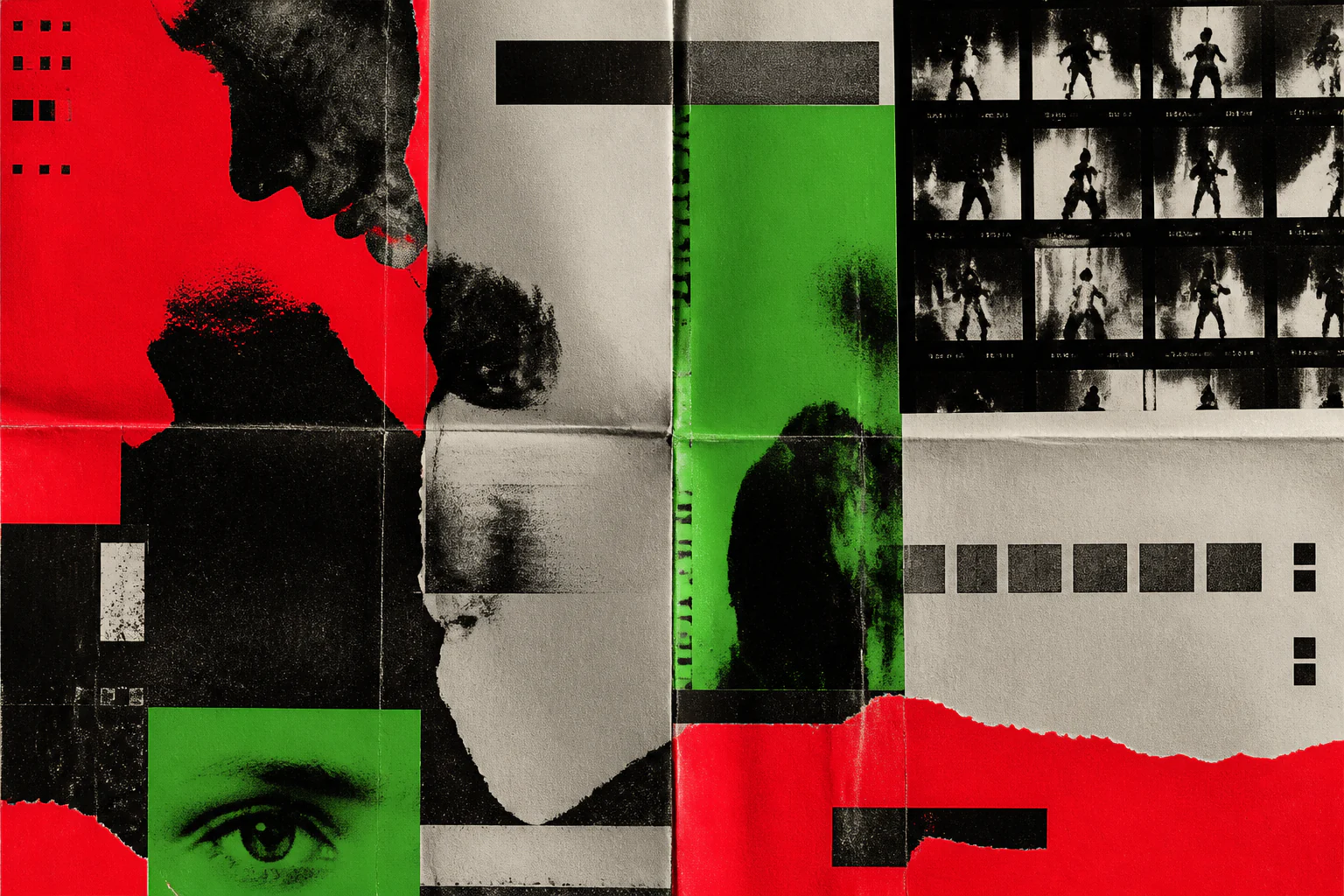
How Dazed turned fashion, music, art and youth culture into a laboratory of future visibility.
Why this article exists: Dazed matters to VANSMITHLAB as a magazine that became not a fashion display case but a laboratory for new faces, conflicts, visual codes and forms of cultural production.
Reader question: why is Dazed so often linked to youth culture, provocation and future talent, rather than only to fashion photography?
Short answer: Dazed built the magazine as a radar. It did not merely display finished styles; it searched for people, scenes and images before they became safe for the market.
London, 1991: a magazine born from nightlife and student risk
Dazed & Confused did not arrive as a calm fashion magazine; it arrived as an act of self-made publishing. Jefferson Hack and Rankin launched it in London amid clubs, young designers, new photography and post-Thatcher cultural tension. What mattered most was not budget but position: the magazine had to give visible form to new energy.
The folded A2 sheet: beginning without conventional magazine luxury
The first Dazed format was almost anti-magazine: a black-and-white folded sheet distributed through clubs, friends and urban networks rather than the usual mechanisms of gloss. The format set the tone immediately: the publication did not imitate Vogue or The Face but tested whether a magazine could also behave like a poster, a manifesto and an invitation.
The name Dazed & Confused: confusion as method
From the start, the name worked as an aesthetic programme. Dazed & Confused did not promise clarity, taste policing or tidy editorial hierarchy. It acknowledged the noise of its time: fashion, music, art, politics, advertising, bodies, youth attitude and visual risk mixing together.
Jefferson Hack: publisher as cultural producer
Jefferson Hack matters not only as a co-founder. He turned the magazine into an expandable platform: print, digital presence, exhibitions, events, studio work, Dazed Media, AnOther, Another Man and Nowness. For VANSMITHLAB, he is an example of a publisher who treats the magazine not as a product but as a system of cultural production.
Rankin: photography as the engine of the early language
Rankin did more than give the magazine a face. His portraits, covers and fashion stories helped Dazed speak through direct contact: stars, musicians, designers and models appeared less as distant icons than as members of the same scene. Early Dazed was therefore built not only from text and layout but from photography as a generator of tension.
Youth culture instead of ready-made taste
Where The Face often fixed style as a cultural code, Dazed leaned harder into experiment and conflict. It was interested not only in the coolness of an image but in who was speaking, who usually had no space, and what might irritate, provoke or disrupt familiar order.
Fashion as social and bodily risk
Fashion photography in Dazed often worked less as a clothing catalogue than as a stage for questions of body, gender, power, strangeness and identity. Clothes could become a pretext for a visual statement: sometimes funny, sometimes anxious, sometimes deliberately uncomfortable.
Provocation: not decoration but editorial strategy
Dazed often collided with market and reader expectations. Its provocation was not simply shock for shock’s sake; the magazine tested how far an image could go when speaking about real fears, desires and taboos. That is why some images produced controversy, removals from sale and public responses.
The cover as manifesto, not packaging
For Dazed, the cover became a place where the magazine formed a position. It was not only the face of an issue but a thesis: who deserved attention, which beauty mattered now, which conflict entered culture, and what could no longer be hidden behind polite gloss.
David Bowie and Alexander McQueen: conversation as cultural event
A key example of the Dazed logic is the meeting of different authorities: musician, designer, photographer, stylist, artist and editor come together not simply for promotion but for an event. The David Bowie and Alexander McQueen conversation shows how a magazine can produce not just content but a historical encounter within culture.
Kate Moss, Björk, FKA twigs: celebrity without safe polish
Dazed often handled celebrity differently from classic gloss. It could preserve awkwardness, strangeness, vulnerability or absurdity. Celebrity became not only an object of desire but a participant in experiment.
Artists inside the magazine: Barbara Kruger, Damien Hirst and expanded territory
Dazed repeatedly pulled contemporary art into magazine logic. This matters: the magazine stopped being only a mediator between fashion and consumer. It became a site where artists, designers, photographers and musicians could alter the form of the issue itself.
Social reportage: not only a style magazine
Dazed has an important social line: activism, bodies, illness, gender, politics and cultural conflict. This separates it from a magazine that merely decorates youth culture. Dazed tried to speak from angles the mainstream often avoided.
Dazed Digital: print logic enters the network
The move into digital space was not simply the addition of a website. Dazed Digital allowed the magazine to work faster, preserve the archive, launch series, maintain a constant flow of material and turn editorial instinct into daily cultural navigation.
The archive as active memory
The Dazed archive matters not only as nostalgia. It shows how faces, bodies, themes, fears, clubs, designers, musicians and visual codes changed from the 1990s to the present. For VANSMITHLAB, this makes the magazine itself a historical source.
Dazed 100: the list as a mechanism of the future
Dazed 100 turns editorial selection into a public mechanism. It is not simply an issue about people, but a map of new creative forces: artists, designers, activists, musicians, filmmakers and writers who may influence future culture.
Dazed Studio: editorial instinct as commercial infrastructure
Dazed Studio shows how a magazine can translate cultural sensitivity into studio and consultancy practice. The key is not branding as a word, but the mechanism: knowledge of youth scenes becomes a way to build campaigns, events and research.
International editions: local scenes inside a global name
Dazed MENA, Dazed Korea and other international directions show that contemporary Dazed cannot be only London-based. A strong international edition should not copy the centre; it should translate the Dazed method into local scenes, languages and conflicts.
Ib Kamara: image as a new global sensibility
The Ib Kamara period matters for renewing the visual agenda: fashion, race, diaspora, body, fantasy and styling gain new scale. Dazed begins to speak not only about British youth culture but about global youth imagined through mixed scenes and origins.
Ted Stansfield: the stage after Ib Kamara
In 2025, Ted Stansfield became editor-in-chief of Dazed. This is a current threshold: the magazine must hold together print value, digital speed, social channels and the trust of an audience that quickly recognises artificial youthfulness.
Why Dazed is not only shock
The weakest reading of Dazed is to see only provocative covers and controversial fashion stories. A more precise reading: it used risk as a tool for finding new cultural participants and new ways of speaking visually.
From Dazed & Confused to Dazed: shortening the name as an era shift
In 2014, the magazine shortened its name to Dazed. This was not merely cosmetic. The shorter name carries less literary reference and more platform logic: Dazed exists as magazine, site, archive, studio, events and international system.
Exhibitions and museum status: the self-made magazine becomes history
The twentieth-anniversary exhibition at Somerset House and later archive projects show how 1990s self-made energy becomes subject to institutional reading. It is a productive paradox: a magazine that resisted rules eventually enters the history of rules.
The Dazed image: brightness, dirt, body, conflict
The visual language of Dazed cannot be reduced to one style. It can be glossy, rough, colourful, black-and-white, funny, frightening or almost documentary. Its consistency lies not in form but in attitude: the image should not soothe, it should alter the temperature of viewing.
The link with music: from club scenes to global pop
Dazed has always stayed close to music: from club and alternative scenes to major pop figures. Music gave the magazine rhythm, faces, language and audience; the magazine gave musicians a visual context beyond promotion.
The link with fashion: new designers before the market
Like i-D, Dazed often supported young designers before their language became safe for industry. But Dazed expressed a stronger attraction to the borderline: the designer mattered not only as a maker of clothes but as a participant in cultural shift.
The link with photography: portrait as evidence of time
Dazed photography is not a single school but a range of ways to catch a moment: direct portrait, staged absurdity, fashion fantasy, club document, social scene. This is why the archive is so valuable for understanding visual culture around the turn of the century.
Dazed as a model for contemporary independent platforms
For new publications, the lesson of Dazed is not to copy 1990s provocation. The lesson is that a magazine can become a platform when it has a point of view, a contributor network, an archive, events, digital rhythm and the ability to see a scene before the market does.
The danger of the method: when radicality becomes style
Dazed also carries a risk: provocation can easily become an aesthetic habit. If conflict becomes only styling, it loses force. The key question remains: whom does the magazine really reveal, and whom does it merely use as an image of strangeness?
The main legacy: the magazine as a laboratory of future visibility
The main legacy of Dazed is not one cover or one design technique. It is the model of the magazine as a laboratory of future visibility: who is not yet recognised, which beauty is inconvenient, and which voices arrive too early to be comfortable for the market.